Urgent Warning: Why Is My Check Engine Light On?
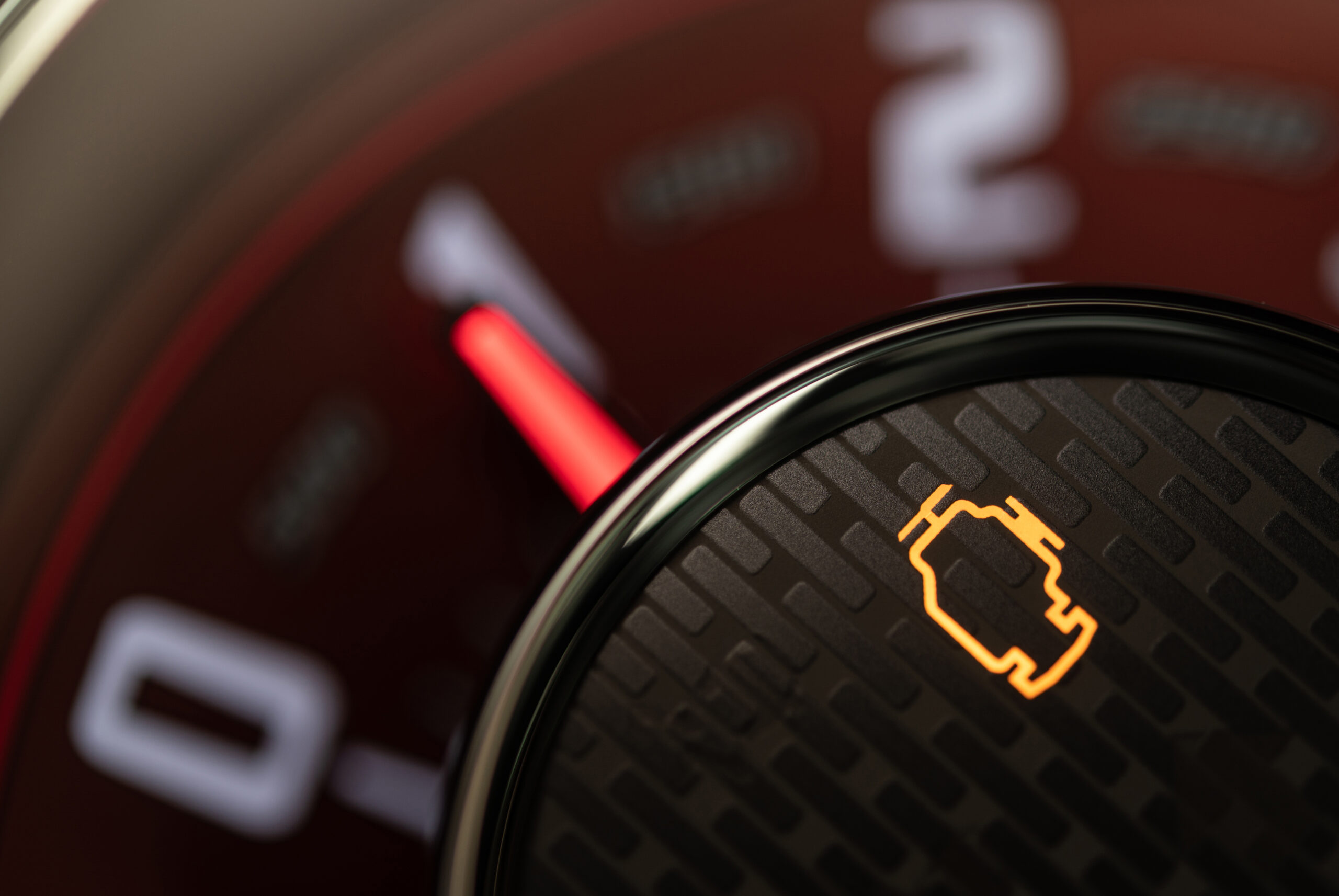
Few dashboard warnings create as much concern for drivers as the check engine light. Whether it appears suddenly during your morning commute or lights up on a road trip, it immediately raises questions about your vehicle’s health. If you’ve found yourself wondering, “why is my check engine light on?” you’re not alone.
The check engine light is one of the most common warning indicators drivers encounter. While it doesn’t always signal a major problem, it should never be ignored. In some cases, the issue may be as simple as a loose gas cap. In others, it could indicate a problem that affects your engine, emissions system, fuel economy, or overall drivability.
Understanding why is my check engine light on can help you make informed decisions about your vehicle and avoid costly repairs down the road.
What Does the Check Engine Light Mean?
The check engine light is part of your vehicle’s onboard diagnostics system, often referred to as OBD-II. Modern vehicles are equipped with numerous sensors that continuously monitor engine performance, fuel delivery, emissions systems, ignition timing, and other critical functions.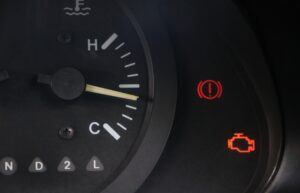
When the system detects a problem outside normal operating parameters, it stores a diagnostic trouble code and illuminates the check engine light.
Many drivers immediately ask, “why is my check engine light on?” because the warning itself doesn’t identify the exact problem. Instead, it indicates that the vehicle’s computer has detected an issue requiring further diagnosis.
Solid vs. Flashing Check Engine Light
Not all check engine lights are created equal.
Solid Check Engine Light
A solid check engine light usually indicates a problem that should be inspected soon but may not require immediate action. Your vehicle may continue to drive normally, although performance or fuel economy could be affected.
Flashing Check Engine Light
A flashing check engine light is far more serious. This often indicates a severe engine misfire that could damage the catalytic converter or other expensive components.
If the light is flashing, it’s important to reduce speed, avoid heavy acceleration, and have the vehicle inspected as soon as possible.
When people search why is my check engine light on and discover their light is flashing, immediate attention is strongly recommended.
Common Reasons Why Your Check Engine Light Is On
Loose or Damaged Gas Cap
 Believe it or not, one of the most common answers to why is my check engine light on is a loose gas cap.
Your fuel system is designed to remain sealed. A loose, cracked, or damaged gas cap can allow fuel vapors to escape, triggering an emissions-related fault code.
Fortunately, this is often an easy fix. Tightening or replacing the gas cap may solve the problem, although the light may take several driving cycles to reset.
Faulty Oxygen Sensor
Oxygen sensors monitor the amount of oxygen in your vehicle’s exhaust gases. This information helps the engine computer adjust the air-fuel mixture for optimal performance and efficiency.
A failing oxygen sensor can cause:
- Reduced fuel economy
- Rough engine operation
- Increased emissions
- Poor performance
A bad oxygen sensor is another common reason drivers ask why is my check engine light on.
Catalytic Converter Problems
The catalytic converter helps reduce harmful emissions before they leave your vehicle’s exhaust system.
If the catalytic converter begins to fail, you may notice:
- Reduced acceleration
- Poor fuel economy
- Sulfur or rotten egg smells
- Illumination of the check engine light
Because catalytic converters are expensive, early diagnosis can save significant money.
Mass Air Flow Sensor Failure
The mass air flow sensor measures how much air enters the engine. This information helps determine the proper amount of fuel needed for combustion.
When the sensor fails, symptoms may include:
- Hard starting
- Rough idle
- Stalling
- Poor fuel economy
This issue frequently appears when drivers search for why is my check engine light on and notice reduced engine performance.
Spark Plug or Ignition Coil Problems
Spark plugs and ignition coils work together to ignite the air-fuel mixture inside the engine.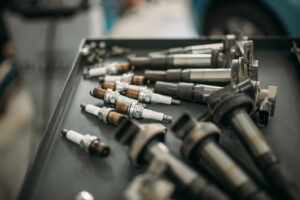
When these components wear out, you may experience:
- Misfires
- Rough running
- Reduced power
- Difficulty starting
Ignoring ignition issues can lead to additional engine damage over time.
Vacuum Leaks
Modern engines rely on vacuum pressure to operate various systems efficiently.
A cracked vacuum hose or leaking gasket can cause:
- Rough idle
- Poor acceleration
- Increased fuel consumption
- Check engine light activation
Because vacuum leaks can mimic other problems, professional diagnostics are often needed.
EVAP System Issues
The evaporative emissions system prevents fuel vapors from escaping into the atmosphere.
Leaks or component failures within this system often trigger the check engine light even when the vehicle appears to run normally.
Many drivers asking why is my check engine light on discover the cause is related to the EVAP system.
Can the Check Engine Light Affect Performance?
Yes.
While some issues cause little noticeable change, others can impact:
- Fuel economy
- Engine power
- Acceleration
- Idle quality
- Emissions
Even if your vehicle seems to drive normally, the underlying issue could worsen over time.
That’s why it’s important not to ignore the warning when asking why is my check engine light on.
Can I Keep Driving?
The answer depends on the cause.
If the light is solid and the vehicle is operating normally, you can often continue driving for a short period while scheduling an inspection.
However, if you notice:
- Flashing check engine light
- Severe loss of power
- Engine shaking
- Unusual noises
- Excessive smoke
You should have the vehicle inspected immediately.
Continuing to drive with a serious engine problem can lead to much more expensive repairs.
How Is a Check Engine Light Diagnosed?
One common misconception is that the diagnostic code itself identifies the exact failed part.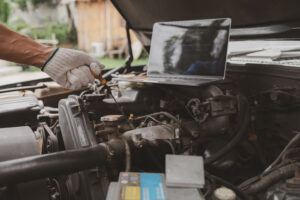
In reality, a code simply points technicians toward the affected system.
Professional diagnosis typically involves:
Retrieving Diagnostic Trouble Codes
Specialized scan tools communicate with the vehicle’s computer and identify stored fault codes.
Reviewing Sensor Data
Technicians analyze real-time data from sensors to determine how the vehicle is operating.
Performing Additional Testing
Depending on the code, further testing may include:
- Smoke testing
- Fuel pressure testing
- Electrical testing
- Vacuum testing
- Emissions testing
Proper diagnosis helps avoid replacing parts unnecessarily.
What Happens If You Ignore the Check Engine Light?
Many drivers delay repairs because the vehicle still seems to run fine.
Unfortunately, ignoring the warning can lead to:
- Reduced fuel economy
- Increased emissions
- Catalytic converter damage
- Engine performance issues
- More expensive future repairs
A small issue today can easily become a major repair later.
When asking why is my check engine light on, it’s important to view the warning as an opportunity to address a problem before it worsens.
Preventing Check Engine Light Problems
While not every issue is avoidable, routine maintenance significantly reduces the risk.
Follow Recommended Maintenance Intervals
Regular service helps prevent many common causes of check engine light activation.
Replace Spark Plugs When Needed
Worn ignition components frequently contribute to engine performance issues.
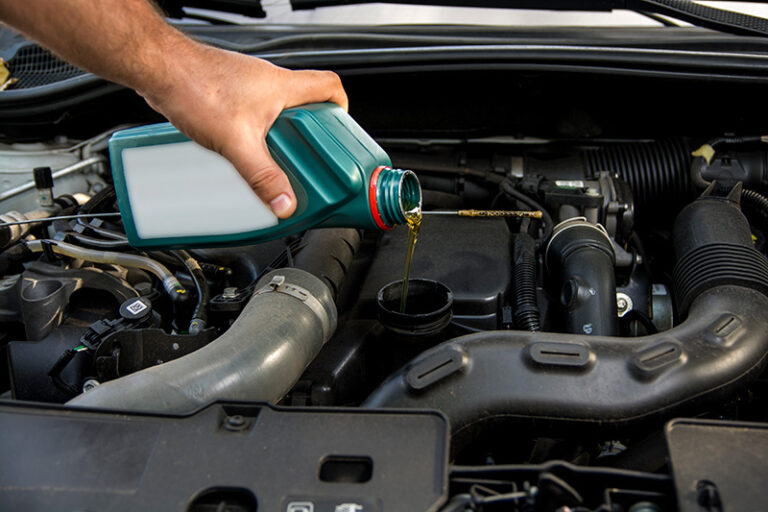
Keep Up With Oil Changes
Clean oil supports proper engine operation and helps protect critical components.
Address Minor Problems Early
Strange noises, rough idle, poor fuel economy, or unusual smells should never be ignored.
Inspect the Gas Cap
Sometimes the simplest solution is the correct one.
Common Misconceptions About the Check Engine Light
“The Car Drives Fine, So It Must Be Nothing”
Many issues develop gradually. The vehicle may seem normal while hidden damage continues.
“I’ll Just Clear the Code”
Clearing a code without fixing the underlying problem usually results in the light returning.
“It’s Always Something Expensive”
Not necessarily. Some causes are relatively minor and inexpensive to repair.
“The Light Will Go Away On Its Own”
While some intermittent faults may temporarily disappear, the underlying issue often remains.
When Should You Schedule an Inspection?
You should schedule an inspection if:
- The check engine light stays on
- The light comes on repeatedly
- Your vehicle is running differently
- Fuel economy decreases
- The light flashes
Prompt diagnosis can often prevent more extensive repairs later.
Conclusion
If you’ve been asking yourself, “why is my check engine light on?” the answer could range from a loose gas cap to a more significant engine or emissions issue. While the warning light doesn’t always indicate a major repair, it should never be ignored.
Modern vehicles are designed to alert drivers when something isn’t operating properly. Addressing the issue early can help maintain performance, improve fuel efficiency, and prevent more costly repairs in the future.
If your check engine light has come on, having the vehicle professionally diagnosed is the best way to identify the problem and restore peace of mind. If you’re seeing a check engine light and want accurate answers before the issue becomes more serious, contact us here and our team can help determine what’s causing the warning and recommend the appropriate repair.