
Protect Your Ride: How Summer Heat and Sun Affects Your Car
As summer temperatures rise, your vehicle endures the intense heat and sun exposure, which can lead to various issues and potential damage. Understanding how the summer heat affects your car and taking preventive measures can help maintain its performance and longevity. Here’s what you need to know about the impact of summer on your vehicle and essential tips to protect it.
1. Tire Pressure and Wear
During hot summer days, the air inside your tires expands, often leading to overinflation. Overinflated tires are more susceptible to blowouts, especially when driving on hot asphalt. Additionally, high temperatures accelerate tire wear, reducing traction and safety. To avoid these issues, regularly check your tire pressure and adjust it according to the manufacturer’s recommendations.
2. Battery Performance
The summer heat can significantly shorten your car battery’s lifespan. High temperatures cause the fluid inside the battery to evaporate, leading to decreased performance and potential failure. Regularly inspect your battery for any signs of corrosion and ensure it is securely mounted. If your battery is more than three years old, consider having it tested by a professional to ensure it remains in good condition.
3. Engine Overheating in the Summer Heat
Engines work harder in hot weather, increasing the risk of overheating. The cooling system plays a crucial role in regulating the engine’s temperature. Check your coolant levels regularly and ensure the coolant mixture is correct. Look for any leaks in the cooling system and consider a professional inspection before peak summer temperatures arrive.
4. Interior Damage
Prolonged exposure to the sun’s ultraviolet (UV) rays can cause significant damage to your car’s interior. The sun can fade upholstery, crack leather seats, and deteriorate dashboard materials. To protect your car’s interior, use sunshades on your windshield, park in shaded areas, and consider applying UV-protective treatments to your seats and dashboard.
5. Summer heat & Fluid Levels
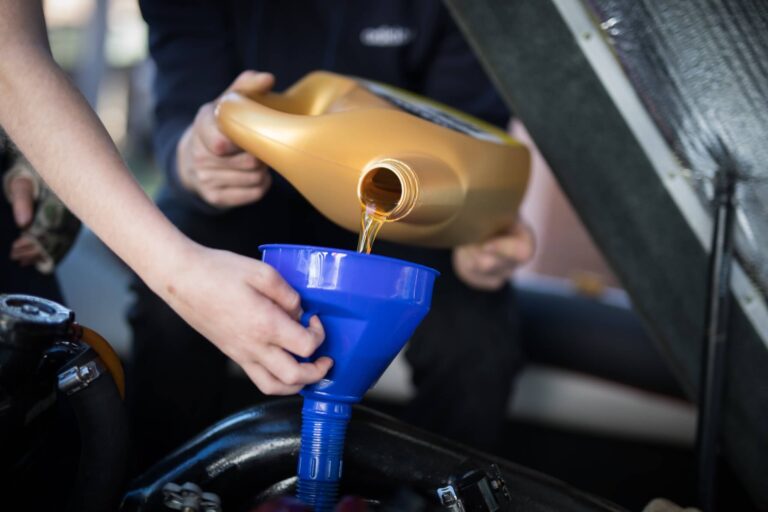
Fluids are essential for your vehicle’s operation, and they can evaporate more quickly in hot weather. Regularly check your car’s fluid levels, including oil, transmission fluid, brake fluid, and windshield washer fluid. Keeping these fluids at the proper levels ensures smooth operation and prevents overheating and other heat-related issues.
6. Air Conditioning Performance
Your car’s air conditioning (AC) system is crucial during the summer months. Ensure your AC system is working efficiently by having it checked and serviced if necessary. Regular maintenance includes checking refrigerant levels, inspecting for leaks, and cleaning or replacing the AC filter.
7. Summer Heat affects the paint
The summer sun can cause your car’s paint to fade and the finish to deteriorate. Regular washing and waxing provide a protective barrier against UV rays and heat. If you need to park outside for extended periods, consider using a car cover to shield your vehicle from the sun.
The summer heat and sun pose unique challenges for your vehicle, from increased tire pressure to potential engine overheating. By understanding these effects and taking proactive measures, you can ensure your car remains in excellent condition throughout the hottest months. Regular maintenance and protective steps can save you from costly repairs and extend the life of your vehicle.