The Essential Oil Change Guide: Why It Matters and How Often You Really Need One
Few services are as important—or as misunderstood—as an oil change. Many drivers know it needs to be done, but not everyone understands why it matters or how often it should happen. This oil change guide breaks down everything you need to know about protecting your engine, maximizing performance, and preventing costly repairs.
Motor oil plays a critical role in your vehicle’s health. Without clean oil circulating through the engine, internal components experience increased friction, heat buildup, and premature wear. Over time, neglecting oil changes can lead to severe engine damage that could have been easily avoided.
Understanding the purpose of engine oil, the correct oil change frequency, and the warning signs of overdue service will help you make informed decisions about your vehicle’s maintenance.
Why Engine Oil Is So Important
To understand this oil change guide, it’s important to first understand what oil actually does.
Engine oil performs several essential functions: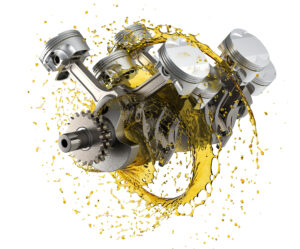
-
Lubricates moving engine components
-
Reduces friction between metal parts
-
Helps regulate engine temperature
-
Prevents sludge buildup
-
Protects against corrosion
-
Traps dirt and debris
Modern engines operate under high pressure and extreme temperatures. Without proper lubrication, metal parts would grind together, generating heat and causing rapid wear. Clean oil acts as a protective barrier, ensuring smooth operation.
Over time, oil breaks down and becomes contaminated. When this happens, it loses its ability to protect the engine effectively. That is why following a consistent oil change schedule is so important.
How Often Should You Change Your Oil?
One of the most common questions drivers ask is how often they need an oil change. The answer depends on several factors, including vehicle type, driving habits, and oil type.
The Traditional 3,000-Mile Rule
Years ago, the standard recommendation was every 3,000 miles. While this still applies in some cases, advances in engine technology and oil formulation have extended intervals for many vehicles.
Modern Recommendations
Many newer vehicles recommend oil changes every:
-
5,000 to 7,500 miles for conventional oil
-
7,500 to 10,000 miles for synthetic oil
Always consult your owner’s manual for manufacturer-specific guidelines. This oil change guide emphasizes following your vehicle’s recommended interval rather than relying on outdated advice.
Driving Conditions Matter
Even if your manufacturer suggests longer intervals, certain driving habits may require more frequent oil changes:
-
Short trips where the engine doesn’t fully warm up
-
Stop-and-go traffic
-
Frequent towing
-
Extreme temperatures
-
Dusty or harsh environments
These conditions cause oil to degrade faster, making regular service even more critical.
Conventional vs. Synthetic Oil
Choosing the right oil is another key part of this oil change guide.
Conventional Oil
Conventional oil is refined from crude oil and typically costs less. It works well for older engines and standard driving 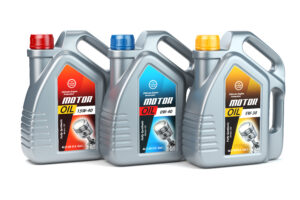 conditions but breaks down faster than synthetic oil.
Synthetic Oil
Synthetic oil is engineered for improved performance. It offers:
-
Better resistance to high temperatures
-
Improved cold-weather performance
-
Slower breakdown over time
-
Enhanced engine protection
Although synthetic oil costs more upfront, it often allows for longer intervals between oil changes and better long-term engine protection.
Warning Signs You Need an Oil Change
Ignoring oil maintenance can lead to engine trouble. This oil change guide highlights common warning signs that your vehicle may need service sooner than expected.
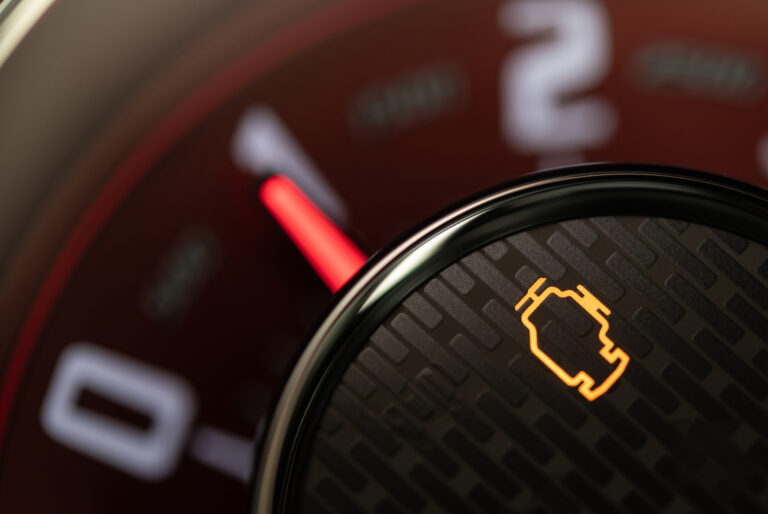
1. Oil Change or Check Engine Light
Modern vehicles are equipped with oil monitoring systems. If your dashboard light comes on, don’t ignore it.
2. Dark or Dirty Oil
Fresh oil is amber in color. As it ages, it becomes darker and thicker. Checking your dipstick periodically can help you monitor oil condition.
3. Engine Noise or Knocking
If oil isn’t lubricating properly, you may hear ticking or knocking sounds. This indicates increased friction inside the engine.
4. Burning Smell
A strong burning odor may signal overheated oil or a leak.
5. Excess Exhaust Smoke
Visible exhaust smoke could indicate oil issues or leaks that require attention.
If you notice any of these signs, it’s wise to address them promptly to avoid larger engine problems.
What Happens If You Skip Oil Changes?
Skipping regular oil changes can have serious consequences.
Sludge Buildup
Old oil collects dirt and debris. Over time, it thickens into sludge that restricts oil flow and damages internal components.
Increased Engine Wear
Without proper lubrication, metal parts rub together, accelerating wear.
Overheating
Oil helps dissipate heat. Degraded oil reduces this ability, increasing engine temperature.
Reduced Fuel Efficiency
Dirty oil increases friction, forcing the engine to work harder and burn more fuel.
Costly Repairs
Neglecting oil changes can ultimately lead to engine failure—one of the most expensive repairs a vehicle owner can face.
Following a consistent oil change schedule is one of the simplest ways to protect your investment.
Benefits of Regular Oil Changes
This oil change guide isn’t just about avoiding problems—it’s also about maximizing performance.
Improved Engine Performance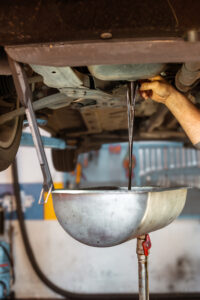
Clean oil allows the engine to run smoothly and efficiently.
Better Fuel Economy
Reduced friction improves overall fuel efficiency.
Longer Engine Life
Routine maintenance significantly extends engine lifespan.
Preserved Resale Value
A documented oil change history can increase resale or trade-in value.
Seasonal Considerations
Oil viscosity plays an important role in different temperatures.
Cold Weather
Cold temperatures thicken oil, making it harder to circulate. Using the correct viscosity grade ensures proper flow during startup.
Hot Weather
High temperatures increase engine stress. Quality oil resists breakdown under heat.
Following manufacturer recommendations ensures year-round engine protection.
Oil Change Myths Debunked
This oil change guide would not be complete without addressing common myths.
Myth: You Only Need an Oil Change When the Light Comes On
Waiting for the dashboard light can sometimes mean you’re already overdue.
Myth: Synthetic Oil Causes Leaks
Modern synthetic oils are safe for most engines and do not cause leaks in properly maintained vehicles.
Myth: Dark Oil Always Means It’s Bad
Oil naturally darkens as it collects contaminants. Color alone isn’t the only indicator of condition.
How Long Does an Oil Change Take?
Most oil changes can be completed in under an hour. The service typically includes:
-
Draining old oil
-
Replacing the oil filter
-
Adding fresh oil
-
Checking fluid levels
-
Inspecting key components
Regular service appointments also provide an opportunity to catch minor issues before they become major repairs.
Conclusion: Make Oil Changes a Priority
Regular oil maintenance is one of the most affordable and effective ways to protect your engine. Following a proper oil change schedule reduces wear, improves efficiency, and prevents costly breakdowns.
If your vehicle is due—or if you’re unsure about your last service—now is the time to act. Routine maintenance helps ensure your vehicle stays reliable for years to come.
To keep your engine protected and running smoothly, schedule service before small issues turn into expensive repairs. You can easily schedule an appointment here to ensure your vehicle receives professional oil change service at the right time.
Further Reading
National Highway Traffic Safety Administration – Vehicle Maintenance
https://www.nhtsa.gov/road-safety/vehicle-maintenance
AAA – Why Motor Oil Matters
https://exchange.aaa.com/automotive/auto-repair/why-motor-oil-matters/
Car Care Council – Oil Change Basics
https://www.carcare.org/preventative-maintenance/oil-changes/
Consumer Reports – How Often to Change Your Oil
https://www.consumerreports.org/cars/car-maintenance/how-often-to-change-your-cars-oil-a9539930297/