
Critical Warning: Why Is My Car Overheating and What You Should Do Now
Why Is My Car Overheating?
If you’ve ever asked yourself, why is my car overheating, you’re not alone. Overheating is one of the most common and potentially serious issues a vehicle can face. While it may start as a minor inconvenience, ignoring it can quickly lead to expensive engine damage or even total engine failure.
Understanding why your car is overheating can help you take the right steps early, avoid costly repairs, and keep your vehicle running reliably. In this guide, we’ll break down the most common causes, warning signs, and what you should do if your car begins to overheat.
What Happens When a Car Overheats?
Your engine is designed to operate within a specific temperature range. When everything is working properly, your cooling system regulates that temperature and prevents overheating. However, when something goes wrong, heat builds up faster than your system can manage.
When you’re wondering why is my car overheating, it usually means one or more components in your cooling system isn’t doing its job. Excess heat can warp engine components, damage gaskets, and reduce overall performance.
Common Causes of Overheating
Low Coolant Levels
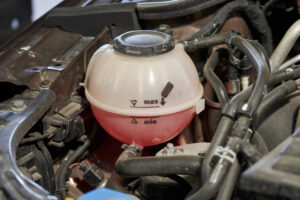 One of the most common answers to why is my car overheating is low coolant. Coolant (also known as antifreeze) absorbs heat from the engine and helps regulate temperature.
If your coolant level is low due to a leak or lack of maintenance, your engine won’t be able to cool itself effectively.
Signs of low coolant include:
- Temperature gauge rising quickly
- Sweet smell from under the hood
- Visible leaks under the vehicle
Cooling System Leaks
Leaks in the radiator, hoses, or water pump can prevent coolant from circulating properly. Even a small leak can lead to overheating over time.
If you’re asking why is my car overheating and you notice puddles under your car, a leak is likely the culprit.
Faulty Thermostat
The thermostat controls the flow of coolant through your engine. If it gets stuck closed, coolant can’t circulate, causing the engine to overheat rapidly.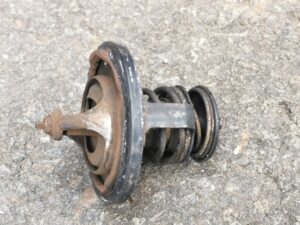
A bad thermostat often causes:
- Sudden temperature spikes
- Engine overheating shortly after startup
Radiator Issues
Your radiator plays a key role in cooling your engine. If it becomes clogged, corroded, or damaged, it won’t be able to dissipate heat properly.
When diagnosing why is my car overheating, a blocked radiator is a common issue, especially in older vehicles or those with poor maintenance history.
Broken Water Pump
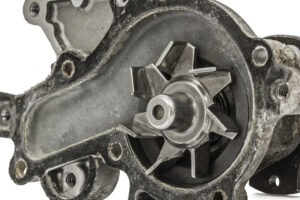 The water pump is responsible for moving coolant throughout your engine. If it fails, coolant stops circulating, leading to rapid overheating.
Common signs of a failing water pump include:
- Whining noises from the engine
- Coolant leaks near the front of the vehicle
- Overheating at all speeds
Cooling Fan Failure
Your cooling fan helps regulate temperature, especially when your car is idling or moving slowly. If the fan stops working, airflow through the radiator is reduced, causing heat buildup.
If your car overheats in traffic but cools down while driving, a faulty fan could be the reason why your car is overheating.
Blown Head Gasket
A blown head gasket is one of the more serious reasons why is my car overheating. It can allow coolant to leak into the engine or combustion gases to enter the cooling system.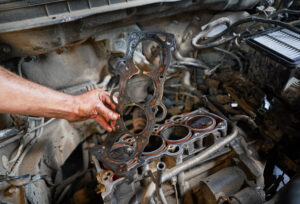
Symptoms may include:
- White smoke from the exhaust
- Milky oil
- Persistent overheating
Warning Signs You Shouldn’t Ignore
If you’re trying to figure out why is my car overheating, pay attention to these early warning signs:
- Rising temperature gauge
- Steam coming from under the hood
- Burning smell
- Loss of engine power
- Coolant warning light
Ignoring these signs can turn a simple repair into a major engine issue.
What to Do If Your Car Overheats
If your car begins to overheat while driving, taking the right steps can prevent serious damage.
1. Turn Off the A/C and Turn On Heat
This may sound counterintuitive, but turning on your heater pulls heat away from the engine.
2. Pull Over Safely
As soon as possible, pull over and turn off the engine. Continuing to drive while overheating can cause severe damage.
3. Let the Engine Cool Down
Do not open the hood immediately. Wait at least 15–30 minutes for the engine to cool.
4. Check Coolant Levels
Once it’s safe, check your coolant reservoir. If it’s low, that may explain why your car is overheating.
5. Call a Professional
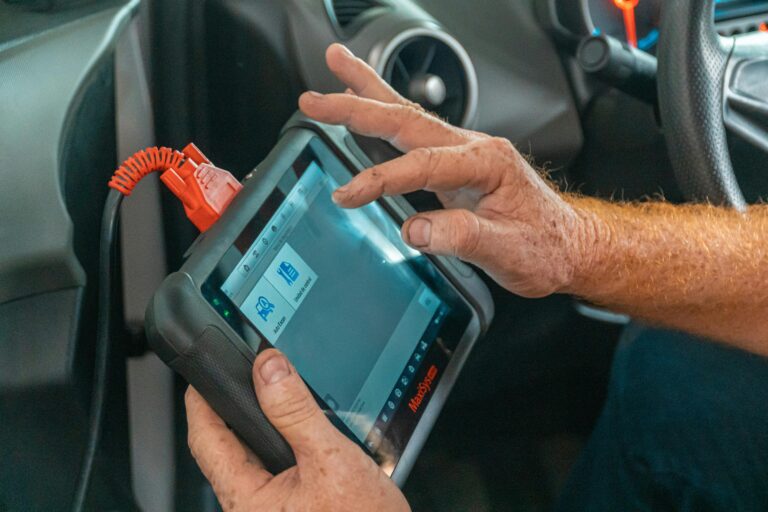
If you’re unsure of the cause, it’s best to have your vehicle inspected by a professional technician.
Can You Drive an Overheating Car?
Technically, yes—but you shouldn’t. Driving while overheating can cause:
- Warped cylinder heads
- Engine block damage
- Complete engine failure
If you’re asking why is my car overheating, the safest move is to stop driving and address the issue immediately.
How to Prevent Overheating
Preventative maintenance is key to avoiding the question why is my car overheating in the first place.
Regular Coolant Checks
Make sure your coolant is topped off and replaced according to your manufacturer’s recommendations.
Inspect Hoses and Belts
Look for cracks, leaks, or wear that could lead to cooling system failure.
Flush the Radiator
Over time, debris and buildup can clog your radiator. Regular flushes help maintain proper flow.
Monitor Your Temperature Gauge
Keep an eye on your dashboard. Catching temperature increases early can prevent major issues.
When to Bring Your Car In
If your car overheats even once, it’s worth having it inspected. Overheating can be unpredictable, and small issues can quickly escalate.
You should bring your vehicle in if:
- Overheating happens repeatedly
- You notice coolant leaks
- Your temperature gauge fluctuates
- There’s visible steam or smoke
Why Acting Fast Matters
When people ask why is my car overheating, it’s often after the problem has already escalated. Acting quickly can mean the difference between a simple repair and a full engine replacement.
Even something as minor as low coolant can lead to major damage if ignored. That’s why early diagnosis and professional service are critical.
Conclusion
If you’ve been wondering why is my car overheating, the answer can range from simple fixes like low coolant to more serious problems like a blown head gasket. The key is recognizing the signs early and taking action before the damage becomes severe.
Your vehicle’s cooling system plays a vital role in keeping everything running smoothly. Staying on top of maintenance and addressing issues quickly can save you time, money, and stress down the road.
If your car has been running hotter than usual or you’ve experienced overheating, it’s a good idea to have it checked by a trusted professional. If you’re noticing any of these warning signs, contact us here to schedule an inspection and get your vehicle back to running at the proper temperature.