Critical Wheel Alignment Warning Signs: What St. Paul Drivers Should Watch For
Introduction
Proper wheel alignment is essential for safe driving, optimal tire life, and vehicle performance. Misaligned wheels can cause uneven tire wear, reduce fuel efficiency, and make handling unpredictable. For St. Paul drivers, where potholes, road salt, and winter driving conditions are common, monitoring alignment is especially important.
This guide explains the key wheel alignment warning signs, why they matter, and what drivers can do to prevent damage. Following this information will help you maintain safe, smooth, and efficient driving.
What Is Wheel Alignment?
Wheel alignment refers to the angles at which your tires sit relative to each other and the road. Proper alignment ensures that:
-
Tires make optimal contact with the road.
-
Your vehicle drives straight and handles predictably.
-
Steering is balanced, and the car does not pull to one side.
Alignment angles include camber, toe, and caster. Even small deviations can cause noticeable issues and lead to uneven tire wear, suspension stress, and reduced fuel efficiency.
Common Causes of Misalignment
Several factors can cause your wheels to go out of alignment:
-
Potholes and Rough Roads
-
Hitting potholes or driving on uneven surfaces can knock your wheels out of alignment. Minnesota winters make potholes a frequent problem.
-
-
Accidents or Collisions
-
Even minor fender benders can affect alignment angles, making it important to check your vehicle after any collision.
-
-
Suspension Wear
-
Worn shocks, struts, or ball joints can lead to gradual misalignment over time.
-
-
Hitting Curbs or Road Debris
-
Striking curbs while parking or debris on the road can cause instant alignment issues.
-
-
Seasonal Changes
-
Tire swaps, winter tires, and changes in temperature can impact suspension geometry and alignment angles.
-
Key Wheel Alignment Warning Signs
Recognizing alignment issues early can save money, extend tire life, and prevent accidents. Here are the most common warning signs St. Paul drivers should watch for:
1. Uneven Tire Wear
If your tires are wearing more on one edge than the other, it is often a sign of misalignment. Check for feathering, cupping, or bald spots on tires, as these indicate uneven contact with the road.
2. Vehicle Pulls to One Side
A car that drifts or pulls to the left or right when driving on a straight, level road may have misaligned wheels. This can make steering difficult and unsafe.
3. Crooked Steering Wheel
If the steering wheel is off-center when driving straight, it could indicate an alignment problem. Even small deviations can affect handling over time.
4. Vibrations in the Steering Wheel
Misaligned wheels may cause vibrations while driving, especially at higher speeds. Vibrations can also signal unbalanced tires, so a professional inspection is recommended.
5. Steering Feels Loose or Wandering
If your vehicle wanders or feels loose on the road, your wheel alignment may be off. This reduces control and can increase tire wear.
6. Increased Tire Noise
Uneven or worn tires due to misalignment often produce additional road noise. Pay attention to humming, thumping, or squeaking sounds while driving.
The Importance of Timely Wheel Alignment
Ignoring alignment issues can lead to several problems: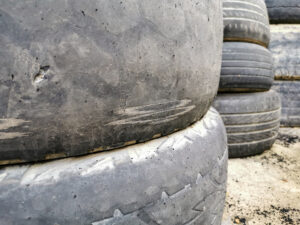
-
Premature Tire Wear: Misaligned wheels cause tires to wear unevenly, shortening their lifespan.
-
Reduced Fuel Efficiency: Misalignment increases rolling resistance, causing your engine to work harder.
-
Suspension Damage: Prolonged misalignment can stress shocks, struts, and other suspension components.
-
Safety Risks: Poor alignment affects braking, handling, and stability, increasing accident risk.
Wheel Alignment Process
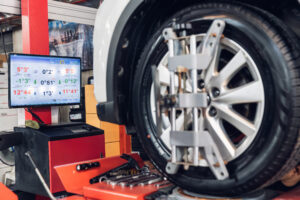
Professional wheel alignment involves precise measurements and adjustments using specialized equipment. The typical process includes: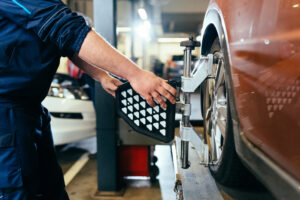
-
Inspection: A technician checks tire wear, steering, and suspension components.
-
Measurement: Computerized alignment systems measure camber, toe, and caster angles.
-
Adjustment: Suspension components are adjusted to bring wheels back into proper alignment.
-
Test Drive: The vehicle is driven to ensure proper handling and stability.
For best results, alignments are usually performed when replacing tires, after suspension repairs, or every 12,000–15,000 miles.
Preventing Alignment Problems
St. Paul drivers can take several steps to prevent misalignment:
-
Avoid Potholes and Curbs: Slow down on rough roads and be cautious in parking areas.
-
Rotate Tires Regularly: Tire rotation helps distribute wear and maintain even contact.
-
Maintain Suspension Components: Replace worn shocks, struts, and ball joints promptly.
-
Check Alignment Annually: Schedule alignment checks, especially before winter.
-
Monitor Tire Pressure: Properly inflated tires reduce uneven wear and stress on suspension.
Benefits of Proper Wheel Alignment
-
Improved Safety: Better control, handling, and braking response.
-
Extended Tire Life: Even wear maximizes tire lifespan.
-
Enhanced Fuel Efficiency: Reduces rolling resistance, saving on gas.
-
Smooth Ride: Prevents vibrations and wandering, improving comfort.
-
Reduced Repair Costs: Prevents suspension and steering component damage.
When to Schedule a Wheel Alignment
Drivers should schedule an alignment check if they notice any warning signs mentioned above. Additionally, consider an alignment:
-
After hitting a pothole or curb.
-
When replacing tires or rotating them.
-
Following suspension repairs.
-
As part of seasonal maintenance, especially before winter.
Regular inspections by a trusted auto service ensure safe handling, even tire wear, and lower long-term repair costs.
Conclusion
Wheel alignment is a critical aspect of vehicle maintenance that impacts safety, performance, and tire longevity. Minnesota roads, with potholes, salt, and extreme seasonal changes, can easily throw wheels out of alignment. Recognizing warning signs early—uneven tire wear, pulling, vibrations, or steering issues—and scheduling timely service will keep your vehicle safe, efficient, and reliable.
Contact Parkway Auto Care here to schedule a wheel alignment check and ensure your vehicle is ready for the roads of St. Paul, any season.
Further Reading
-
AAA – Wheel Alignment Basics
https://www.aaa.com/autorepair/articles/wheel-alignment -
Firestone Complete Auto Care – Signs Your Car Needs an Alignment
https://www.firestonecompleteautocare.com/maintenance/alignment/ -
YourMechanic – When to Get a Wheel Alignment
https://www.yourmechanic.com/article/how-to-know-when-your-car-needs-an-alignment