
Ultimate Guide: Synthetic vs Conventional Oil – Which Is Better?
When it comes to maintaining your vehicle, few decisions are as common as choosing the right engine oil. If you’ve ever stood in front of the oil options at an auto parts store or been asked which oil you’d like during an oil change, you’ve probably wondered, “synthetic vs conventional oil: which is better?”
The answer isn’t always as simple as one being universally better than the other. Both synthetic and conventional oil have their place, and the right choice depends on your vehicle, your driving habits, and your manufacturer’s recommendations.
In this guide, we’ll compare synthetic vs conventional oil, explain how each type is made, discuss the benefits and drawbacks of each, and help you determine which option is best for your vehicle.
Why Engine Oil Matters
Before comparing synthetic vs conventional oil, it’s important to understand what engine oil actually does.
Your engine contains hundreds of moving parts operating at extremely high temperatures and speeds. Engine oil performs several critical functions, including:
- Lubricating moving components
- Reducing friction
- Carrying heat away from engine parts
- Preventing corrosion
- Cleaning contaminants from the engine
- Helping improve fuel efficiency
Without clean, properly functioning oil, your engine would experience excessive wear and eventually fail.
What Is Conventional Oil?
Conventional oil is refined directly from crude oil. After refining, additives are mixed in to improve lubrication, reduce corrosion, and help the oil perform under varying conditions.
For decades, conventional oil was the standard choice for nearly every vehicle on the road.
Advantages of conventional oil include:
- Lower upfront cost
- Widely available
- Suitable for many older vehicles
- Effective when changed at recommended intervals
However, because conventional oil contains naturally occurring impurities and less uniform molecules, it tends to break down faster than synthetic oil.
What Is Synthetic Oil?
Synthetic oil is engineered using highly refined base oils and advanced additives designed to provide consistent performance under a wide range of operating conditions.
Unlike conventional oil, synthetic oil is designed to have more uniform molecular structures, allowing it to resist breakdown more effectively.
 Benefits of synthetic oil include:
- Better high-temperature protection
- Improved cold-weather performance
- Increased resistance to oxidation
- Longer service life
- Better engine cleanliness
- Enhanced wear protection
This is one reason many manufacturers now recommend synthetic oil for newer vehicles.
Synthetic vs Conventional Oil: Which Is Better for Engine Protection?
When comparing synthetic vs conventional oil, engine protection is one of the biggest differences.
Synthetic oil flows more consistently through the engine, especially during cold starts when much of an engine’s wear occurs.
Because synthetic oil maintains its viscosity more effectively, it creates a stronger protective film between moving engine parts.
Conventional oil still provides excellent lubrication, but it tends to thin out more under extreme heat and degrade more quickly over time.
For drivers who experience stop-and-go traffic, frequent short trips, towing, or extreme temperatures, synthetic oil generally offers superior protection.
Performance in Hot Weather
High temperatures place tremendous stress on engine oil.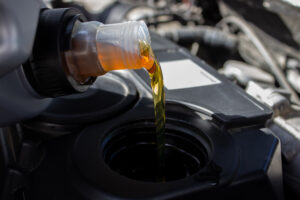
As oil heats up, it begins to lose some of its protective properties. Synthetic oil is specifically engineered to resist thermal breakdown.
When comparing synthetic vs conventional oil during summer driving, synthetic oil generally:
- Maintains viscosity longer
- Resists sludge formation
- Protects engine components under heavy loads
This can be especially beneficial during long road trips or when towing.
Performance in Cold Weather
Cold starts are one of the harshest conditions for an engine.
Conventional oil thickens considerably in freezing temperatures, making it harder for the oil pump to circulate lubrication immediately after startup.
Synthetic oil remains more fluid in cold temperatures, allowing it to reach critical engine components faster.
For drivers in Minnesota, where winter temperatures can become extremely cold, synthetic oil provides a significant advantage.
Engine Cleanliness
Another important consideration in synthetic vs conventional oil is engine cleanliness.
As oil circulates through your engine, it collects dirt, combustion byproducts, and tiny metal particles.
Synthetic oil generally contains advanced detergent additives that help prevent sludge and deposits from forming.
Cleaner engines often experience:
- Improved efficiency
- Reduced wear
- Better long-term reliability
Oil Change Intervals
Many people assume synthetic oil eliminates the need for regular oil changes.
That’s not true.
Although synthetic oil typically lasts longer than conventional oil, oil change intervals should always follow your manufacturer’s recommendations or the advice of a qualified technician.
Depending on the vehicle and oil used:
- Conventional oil may require changes every 3,000 to 5,000 miles.
- Synthetic oil often lasts between 7,500 and 10,000 miles, with some manufacturers recommending even longer intervals.
Even if the oil itself remains effective, filters and contaminants still require regular maintenance.
Fuel Economy
One benefit often discussed in synthetic vs conventional oil is fuel economy.
Because synthetic oil reduces friction more effectively, some vehicles experience a slight improvement in fuel efficiency.
While the difference isn’t dramatic, every small gain can add up over thousands of miles.
Cost Comparison
One reason many drivers still choose conventional oil is cost.
Generally speaking:
Conventional oil:
- Lower initial price
- More frequent oil changes
Synthetic oil:
- Higher initial cost
- Longer service intervals
- Better engine protection
When considering long-term maintenance costs, many drivers find synthetic oil offers excellent overall value.
Can You Switch Between Synthetic and Conventional Oil?
Yes.
Most modern vehicles can safely switch from conventional to synthetic oil or vice versa, provided the oil meets the manufacturer’s specifications.
Years ago, there were concerns about switching to synthetic oil in high-mileage vehicles, but modern formulations have largely eliminated those issues.
However, it’s always best to consult your owner’s manual or speak with a trusted repair shop before making the switch.
What About Synthetic Blend Oil?
Between synthetic and conventional oil is another option: synthetic blend.
Synthetic blend combines conventional oil with a percentage of synthetic oil.
It offers several advantages:
- Improved protection compared to conventional oil
- Lower cost than full synthetic
- Better resistance to heat
- Good choice for moderate driving conditions
For some drivers, synthetic blend provides an excellent balance of performance and affordability.
Which Vehicles Benefit Most from Synthetic Oil?
While nearly any vehicle can benefit from synthetic oil, it’s especially valuable for:
- Turbocharged engines
- Direct injection engines
- High-performance vehicles
- Vehicles used for towing
- Frequent stop-and-go driving
- Cold climate operation
- High-mileage commuting
Many newer vehicles are designed specifically with synthetic oil in mind.
When Conventional Oil May Still Be a Good Choice
Despite the advantages of synthetic oil, conventional oil remains appropriate for many situations.
It may be a good choice if:
- Your owner’s manual recommends it.
- You drive an older vehicle with simple engine design.
- You follow shorter oil change intervals.
- Your driving habits are relatively light.
The most important factor isn’t necessarily choosing synthetic vs conventional oil—it’s ensuring the oil is changed regularly.
Manufacturer Recommendations Matter
If you’re deciding between synthetic vs conventional oil, your owner’s manual should always be your first reference.
Vehicle manufacturers spend years testing engines with specific oil formulations.
Using the recommended oil viscosity and specification helps ensure:
- Proper lubrication
- Warranty compliance
- Maximum engine life
- Optimal fuel economy
Ignoring manufacturer recommendations can reduce engine performance and potentially void warranty coverage on newer vehicles.
Signs Your Oil Needs Attention
Regardless of which type you use, watch for these warning signs:
- Oil warning light
- Engine knocking
- Increased engine noise
- Dirty or gritty oil
- Burning oil smell
- Excessive exhaust smoke
If you notice any of these symptoms, schedule an inspection as soon as possible.
Which Oil Is Better?
When comparing synthetic vs conventional oil, synthetic oil generally offers:
- Better engine protection
- Longer lifespan
- Improved cold-weather performance
- Better high-temperature stability
- Cleaner engine operation
- Slightly improved fuel economy
Conventional oil still serves many vehicles well and remains a cost-effective choice when used according to manufacturer recommendations.
Ultimately, the best oil is the one that meets your vehicle’s specifications and is changed consistently.
Conclusion
When deciding between synthetic vs conventional oil, there isn’t a one-size-fits-all answer. Both types of oil are designed to protect your engine, but synthetic oil generally provides better performance in extreme temperatures, longer service life, and greater protection against wear and deposits.
The most important step is following your vehicle manufacturer’s recommendations and keeping up with regular oil changes. Consistent maintenance plays a much larger role in engine longevity than choosing one oil type over another.
If you’re unsure which oil is best for your vehicle or it’s time for your next oil change, contact us here. Our experienced technicians can recommend the right oil for your engine and help keep your vehicle running smoothly for miles to come.
Further Reading
- American Petroleum Institute (API): https://www.api.org/products-and-services/engine-oil
- Car Care Council: https://www.carcare.org/car-care-guide/
- AAA Auto Repair Articles: https://exchange.aaa.com/automotive/
- Mobil 1 – Understanding Synthetic Oil: https://www.mobil.com/en/lubricants/for-personal-vehicles/learn-about-motor-oil