
Serious Warning: Why Does My Car Smell Like Gas?
If you’ve recently found yourself asking, “why does my car smell like gas?”, it’s a question that deserves immediate attention. While a brief gasoline odor after filling your tank may not be unusual, a persistent fuel smell inside or around your vehicle can indicate a problem that shouldn’t be ignored.
Gasoline is highly flammable, and even a small fuel leak can become a serious safety concern. In addition to the fire risk, a fuel system problem can reduce fuel efficiency, affect engine performance, and potentially leave you stranded if left unaddressed.
Fortunately, there are several common reasons why your car may smell like gas, and many can be diagnosed before they become expensive repairs. Understanding the possible causes can help you know when it’s safe to drive and when it’s time to schedule a professional inspection.
Is It Normal for a Car to Smell Like Gas?
The answer depends on the situation.
After filling your fuel tank, it’s common to notice a slight gasoline odor for a minute or two. Fuel vapors can briefly escape while refueling, especially during hot weather.
However, if the smell continues while driving, appears every time you start your vehicle, or fills the passenger cabin, asking “why does my car smell like gas?” becomes much more important.
Persistent fuel odors almost always indicate that something within the fuel or emissions system needs attention.
Common Reasons Why Does My Car Smell Like Gas?
Loose or Damaged Gas Cap
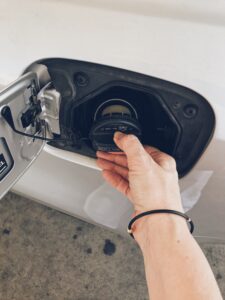 One of the simplest and most common reasons why does my car smell like gas is a loose or damaged gas cap.
Your gas cap seals the fuel system and prevents gasoline vapors from escaping. If it isn’t tightened completely or the seal has worn out, fuel vapors can leak from the tank.
Signs include:
- Gas smell shortly after filling up
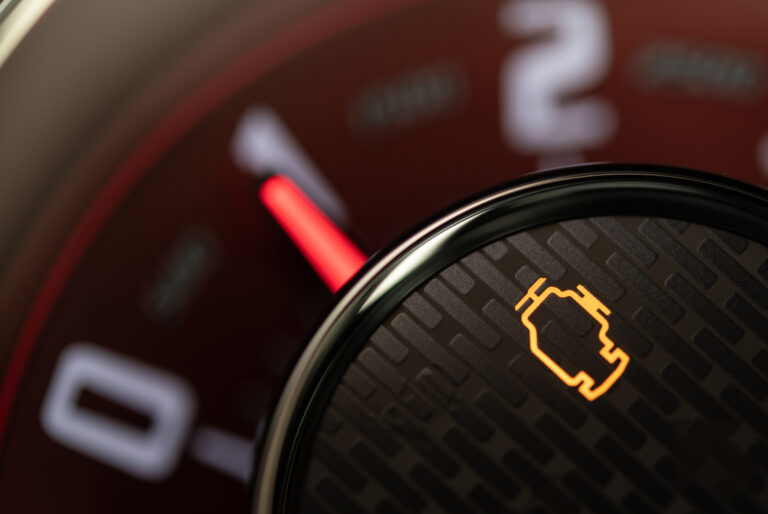
- Check engine light
- Reduced fuel economy
Fortunately, replacing a worn gas cap is usually inexpensive.
Fuel Leak
A leaking fuel line is one of the more serious reasons why does my car smell like gas.
Fuel lines carry gasoline from the tank to the engine under pressure. Over time they can develop:
- Cracks
- Corrosion
- Loose fittings
- Damaged rubber hoses
Even a small leak can create a noticeable gasoline odor.
Other symptoms may include:
- Fuel spots under the vehicle
- Poor fuel economy
- Difficulty starting
- Strong fuel smell near the engine
Fuel leaks should never be ignored because of the fire hazard they present.
Leaking Fuel Injector
Fuel injectors spray gasoline into the engine at precise intervals. If an injector or its seal begins leaking, gasoline may escape before reaching the combustion chamber.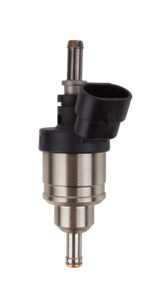
Symptoms include:
- Rough idle
- Hard starting
- Reduced fuel economy
- Gas smell after parking
- Engine hesitation
This is another common answer to why does my car smell like gas.
EVAP System Problems
Modern vehicles use an Evaporative Emissions Control System (EVAP) to prevent fuel vapors from escaping into the atmosphere.
If one of the EVAP components fails, vapors may leak and create a gasoline odor without any visible fuel leak.
Common EVAP problems include:
- Cracked vapor hoses
- Faulty purge valve
- Bad charcoal canister
- Leaking vent valve
These issues often trigger the check engine light as well.
Fuel Tank Damage
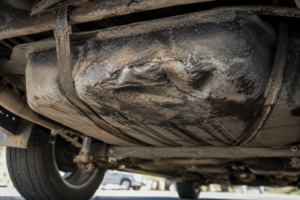 Although less common, a damaged fuel tank can also explain why does my car smell like gas.
Road debris, corrosion, or impact damage can create small leaks that allow fuel to escape.
Warning signs include:
- Fuel dripping beneath the vehicle
- Gas smell after parking
- Rapid fuel loss
Overfilled Fuel Tank
Many drivers continue pumping after the nozzle clicks off.
Overfilling the tank can force liquid fuel into the EVAP system, damaging components designed to handle only fuel vapors.
This may result in:
- Persistent gas smell
- Check engine light
- EVAP system repairs
Stopping when the pump automatically shuts off helps avoid this issue.
Engine Running Rich
Your engine relies on a precise mixture of fuel and air.
If too much fuel enters the engine, known as running rich, some gasoline may pass through unburned.
Possible causes include:
- Faulty oxygen sensor
- Dirty mass airflow sensor
- Fuel pressure regulator failure
- Fuel injector issues
A rich-running engine often produces:
- Poor fuel economy
- Black exhaust smoke
- Gas smell
- Rough performance
Why Does My Car Smell Like Gas Inside the Cabin?
If the smell is strongest inside the vehicle, the issue may involve:
- Fuel vapor leaks
- Engine compartment leaks
- HVAC system pulling vapors inside
- Exhaust leaks allowing fumes into the cabin
Driving with gasoline vapors inside the vehicle isn’t recommended because prolonged exposure can cause:
- Headaches
- Dizziness
- Nausea
- Fatigue
If you notice these symptoms, pull over safely and have the vehicle inspected.
Is It Safe to Drive If My Car Smells Like Gas?
This depends on the severity of the smell.
If you spilled a small amount of fuel while filling the tank, the odor may disappear quickly.
However, if the smell is strong, persistent, or accompanied by:
- Fuel dripping
- Check engine light
- Poor engine performance
- Smoke
- Difficulty starting
It’s best to avoid driving until the issue is diagnosed.
Fuel system leaks create both fire and health hazards.
How Technicians Diagnose Fuel Odors
Finding the answer to why does my car smell like gas often requires a thorough inspection.
Technicians may:
Inspect Fuel Lines
They’ll check for cracks, corrosion, and loose connections.
Test Fuel Pressure
Abnormal fuel pressure can indicate injector or regulator problems.
Inspect the EVAP System
Smoke testing helps identify vapor leaks that aren’t visible during a normal inspection.
Scan for Diagnostic Trouble Codes
If the check engine light is on, stored fault codes can help narrow down the cause.
Inspect Fuel Injectors
Leaking injector seals are a common source of gasoline odors.
How to Prevent Fuel System Problems
Routine maintenance can significantly reduce the likelihood of fuel system issues.
Replace the Gas Cap When Needed
If the seal becomes worn or cracked, replace it promptly.
Don’t Overfill the Tank
Stop fueling when the nozzle clicks off.
Schedule Regular Inspections
Routine inspections can identify aging hoses and deteriorating fuel lines before they leak.
Address Warning Lights Promptly
A check engine light may indicate an EVAP problem before you notice a gasoline smell.
Watch for Fuel Economy Changes
Sudden decreases in fuel economy can indicate developing fuel system issues.
Common Misconceptions
“The Smell Will Go Away”
Sometimes it does—but persistent gasoline odors usually indicate an underlying issue that needs attention.
“It’s Just Because I Filled the Tank”
While a brief odor after refueling is normal, a smell that lingers long afterward is not.
“If There Isn’t a Leak on the Ground, Everything Is Fine”
Not all fuel leaks produce visible puddles. Vapor leaks can be just as significant and often require specialized testing to locate.
When Should You Schedule Service?
You should schedule an inspection if:
- The gasoline smell lasts more than a few minutes
- You smell gas inside the vehicle
- The check engine light comes on
- Fuel economy suddenly decreases
- You notice fuel dripping
- Your vehicle runs rough or hesitates
Addressing these problems early often prevents more expensive repairs and helps keep your vehicle safe.
Conclusion
If you’ve been asking yourself, “why does my car smell like gas?”, it’s important not to ignore the warning. While something as simple as a loose gas cap may be the cause, persistent gasoline odors can also point to fuel leaks, EVAP system failures, leaking injectors, or other issues that require professional attention.
Prompt diagnosis not only protects your vehicle but also helps ensure your safety and the safety of everyone riding with you. If you’ve noticed a gasoline smell that doesn’t go away, having your vehicle inspected sooner rather than later can prevent a small problem from becoming a costly repair.
If your vehicle has developed a persistent fuel smell or you’re unsure what’s causing it, contact us here to schedule an inspection. Our experienced technicians can identify the source of the problem and recommend the right repair so you can get back on the road with confidence.
Further Reading
- National Highway Traffic Safety Administration – Vehicle Safety: https://www.nhtsa.gov/
- AAA Exchange – Car Care Articles: https://exchange.aaa.com/automotive/
- Car Care Council – Vehicle Maintenance Tips: https://www.carcare.org/car-care-guide/