The Ultimate Mid-Winter Tire Care Guide: Rotation, Wear Signs & Replacement Timing
Tire Care: Rotation, Wear Signs & Replacement Timing—Why It Matters Even More in Winter
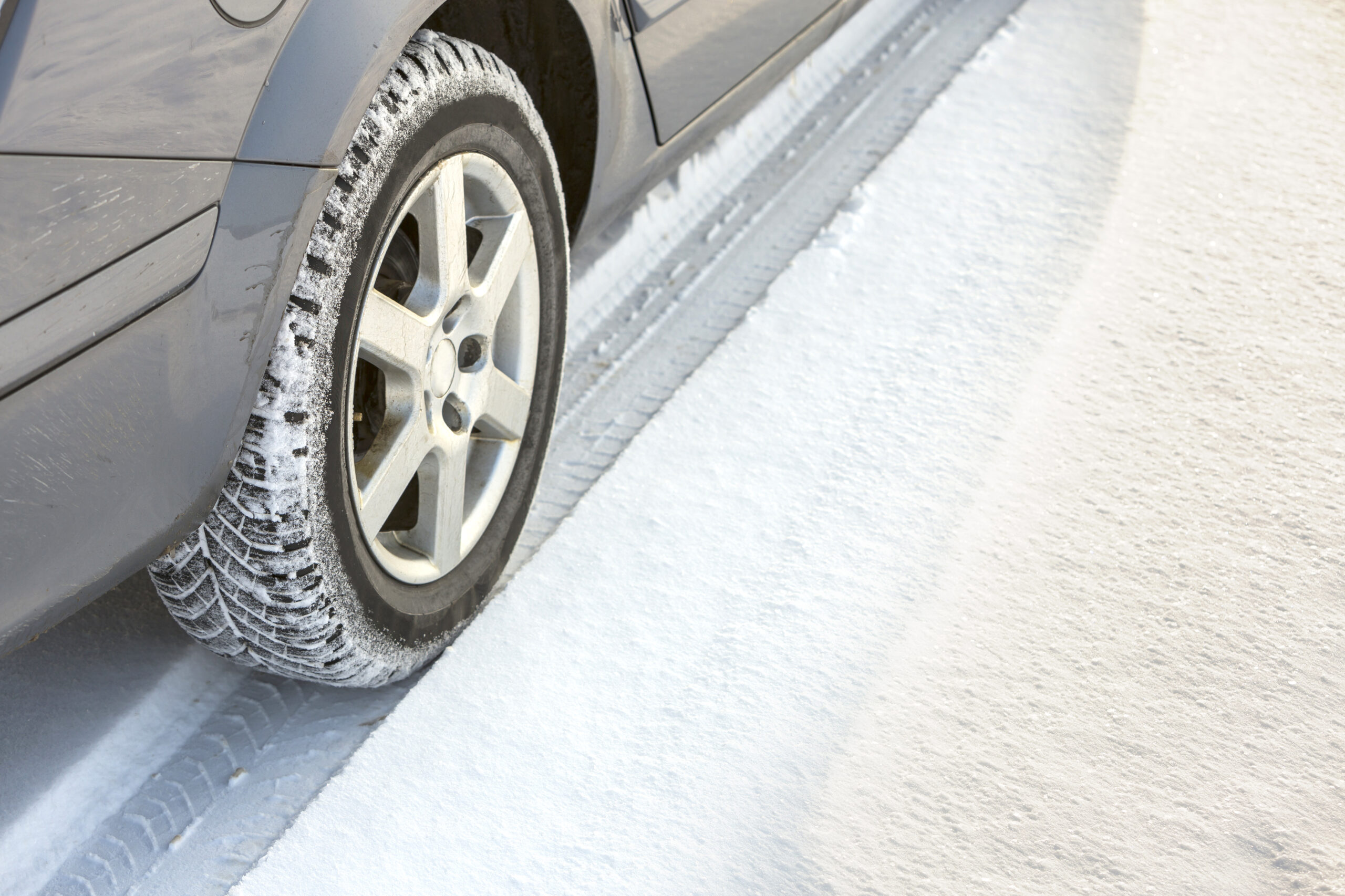
When winter hits, drivers tend to think about batteries, antifreeze, and heaters—but tire care is just as critical, if not more so. Your tires are the only part of your vehicle that actually touches the road, and in cold, icy, and snowy conditions, their condition can be the difference between staying in control or sliding into trouble.
Proper tire care isn’t just about making tires last longer. It’s about safety, traction, braking distance, and predictable handling when the roads are at their worst. Understanding tire rotation, knowing the warning signs of tire wear, and replacing tires at the right time—especially before winter—can help protect your vehicle and everyone inside it.
This guide breaks down everything drivers need to know about tire care and why it becomes even more important during the winter months.
Why Tire Care Is Critical in Winter
Cold weather changes how tires behave. Rubber compounds stiffen as temperatures drop, reducing grip on cold pavement. Add snow, slush, and ice, and worn or uneven tires struggle even more to maintain traction.
Good tire care helps ensure:
-
Better traction when accelerating on slippery roads
-
Shorter stopping distances in snow and ice
-
Improved handling during turns
-
Reduced risk of hydroplaning in slush
-
Even wear that extends tire life
Neglecting tire care can lead to uneven tread wear, poor grip, and unexpected tire failure—problems that are amplified in winter driving conditions.
Tire Care in Mid-Winter: Why It Matters More Than Ever
By the time mid-winter arrives, your tires have already endured weeks—or even months—of cold temperatures, snow, slush, ice, potholes, and salted roads. This is the point in the season when tire care becomes absolutely critical. Many drivers focus on preparing their vehicle before winter, but fewer realize that mid-winter is when tire problems are most likely to show up.
Cold rubber loses flexibility, tread continues to wear down, and uneven wear becomes more noticeable as roads get slicker. If your tires were already borderline at the start of winter, mid-winter conditions can push them past the point of safe operation.
Understanding tire rotation, recognizing wear signs, and knowing when replacement is necessary can help you stay in control when winter driving is at its most challenging.
Why Mid-Winter Is Hardest on Your Tires
Mid-winter combines the worst possible conditions for tires:
-
Constant exposure to freezing temperatures
-
Snow-packed and icy roads that reduce traction
-
Slush that increases hydroplaning risk
-
Potholes hidden under snow
-
Road salt that accelerates rubber and wheel wear
All of this takes a toll on tread depth, tire pressure, and overall performance. Even well-maintained tires can decline quickly during this time, which is why consistent tire care is essential throughout the winter season—not just before it starts.
Tire Rotation: Essential Tire Care During Winter
Many drivers assume tire rotation can wait until spring, but mid-winter is actually one of the most important times to stay on schedule.
Why Tire Rotation Still Matters in Winter
Tires wear differently depending on their position on the vehicle. Front tires handle most of the braking and steering, while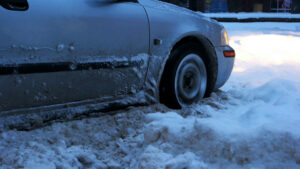 rear tires often experience different traction forces. In winter, spinning, sliding, and abrupt braking increase uneven wear even faster.
Without proper tire rotation, some tires may lose tread depth faster than others, leading to reduced traction and unstable handling on snowy or icy roads.
How Often Should Tires Be Rotated?
A good rule of thumb is to rotate tires every 5,000 to 7,500 miles. For vehicles that see frequent winter driving, staying closer to the lower end of that range helps maintain even tread depth.
Consistent tire care through regular rotation helps all four tires work together, which is especially important when traction is limited.
Mid-Winter Tire Wear Signs You Should Watch Closely
Tire problems often become obvious in the middle of winter, when traction suddenly feels worse or handling becomes unpredictable. Knowing what to look for can help you address issues before they become dangerous.
1. Reduced Tread Depth
Tread depth is critical for channeling snow, slush, and water away from the tire. As tread wears down, tires lose their ability to grip the road.
While 2/32″ of tread may still be legal, it’s not safe for winter driving. Many professionals recommend replacing tires once tread reaches 4/32″ in winter conditions. At this point, stopping distances increase significantly on snow and ice.
2. Uneven Wear Patterns
Uneven tread wear is a common mid-winter issue, especially if tires haven’t been rotated regularly. This can lead to pulling, vibration, or inconsistent traction—problems that are amplified on slick surfaces.
Uneven wear is a strong indicator that tire care has been neglected or that alignment or suspension issues may be present.
3. Low Tire Pressure
Cold air causes tire pressure to drop. In mid-winter, it’s common for tires to be underinflated without drivers realizing it. Low pressure reduces traction, increases wear, and makes steering feel sluggish.
Checking tire pressure regularly is a simple but often overlooked part of proper tire care.
4. Cracks or Sidewall Damage
Repeated freezing and thawing can accelerate rubber aging. Cracks in the sidewall or tread are signs that tires are losing flexibility. In winter, stiff or damaged tires struggle to maintain grip and are more prone to failure.
5. Vibration or Road Noise
If your vehicle suddenly feels rougher or louder on winter roads, worn or damaged tires may be the cause. Mid-winter potholes can also cause internal tire damage that isn’t immediately visible.
Tire Replacement Timing: Why Mid-Winter Is Not Too Late
Many drivers assume tire replacement should only happen in fall, but mid-winter replacement is often necessary—and smart.
When Replacement Becomes Urgent
If you notice:
-
Tread depth below winter-safe levels
-
Poor traction when starting or stopping
-
Sliding during normal turns
-
Increased stopping distance
It may be time to replace your tires, even if winter is already underway. Delaying replacement can increase the risk of accidents when road conditions are at their worst.
Winter Tires vs. Worn All-Season Tires
Even used winter tires with good tread depth often outperform worn all-season tires in cold conditions. Winter tires are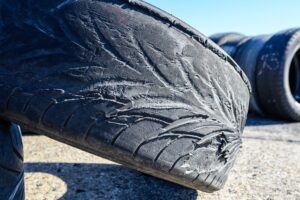 designed with rubber compounds that stay flexible in freezing temperatures and tread patterns that grip snow and ice more effectively.
Regardless of tire type, tire care still applies. Winter tires also need proper rotation, sufficient tread, and correct inflation to perform safely.
Replace Tires in Pairs or Sets
Replacing just one tire can negatively affect handling and traction. For the best winter performance, tires should be replaced in pairs—or ideally, all four—so they wear evenly and respond consistently.
How Proper Tire Care Improves Mid-Winter Driving
Staying on top of tire care in mid-winter offers noticeable benefits:
-
Improved traction on snow-covered and icy roads
-
Shorter stopping distances in emergency situations
-
More predictable handling when turning or braking
-
Reduced risk of getting stuck in snow
-
Lower chance of tire-related breakdowns
When tires are properly maintained, your vehicle responds more reliably—even in harsh winter conditions.
Mid-Winter Tire Care Tips for Every Driver
-
Check tire pressure at least once a month
-
Inspect tread depth regularly, not just at the start of winter
-
Rotate tires on schedule, even during winter
-
Address uneven wear immediately
-
Have tires inspected if handling changes suddenly
These habits help ensure tire care doesn’t fall behind when it matters most.
Final Thoughts: Tire Care Is Most Important in Mid-Winter
Mid-winter is when worn tires, skipped rotations, and delayed replacements are most likely to cause problems. Tire care isn’t something to put off until spring—it’s a critical safety measure during the coldest and most challenging part of the year.
If you’re unsure about your tire condition, scheduling a professional tire inspection can help identify tread wear, pressure issues, or uneven wear before they lead to traction problems. Regular tire service and rotation appointments also help ensure your tires are performing as they should throughout the winter season. You can easily schedule an appointment to have your tires inspected and serviced by a professional before winter conditions create safety concerns.
Taking care of tire issues now—rather than waiting for warmer weather—can improve handling, reduce stopping distance, and help keep you safer on winter roads when conditions are least forgiving.
Further Reading
National Highway Traffic Safety Administration – Tire Safety
https://www.nhtsa.gov/road-safety/tires
AAA – Winter Driving and Tire Safety
https://exchange.aaa.com/safety/driving-advice/winter-driving-tips/
Tire Industry Association – Tire Care Basics
https://www.tireindustry.org/tire-care
Consumer Reports – When to Replace Your Tires
https://www.consumerreports.org/cars/tires/when-to-replace-your-tires-a4226102738/