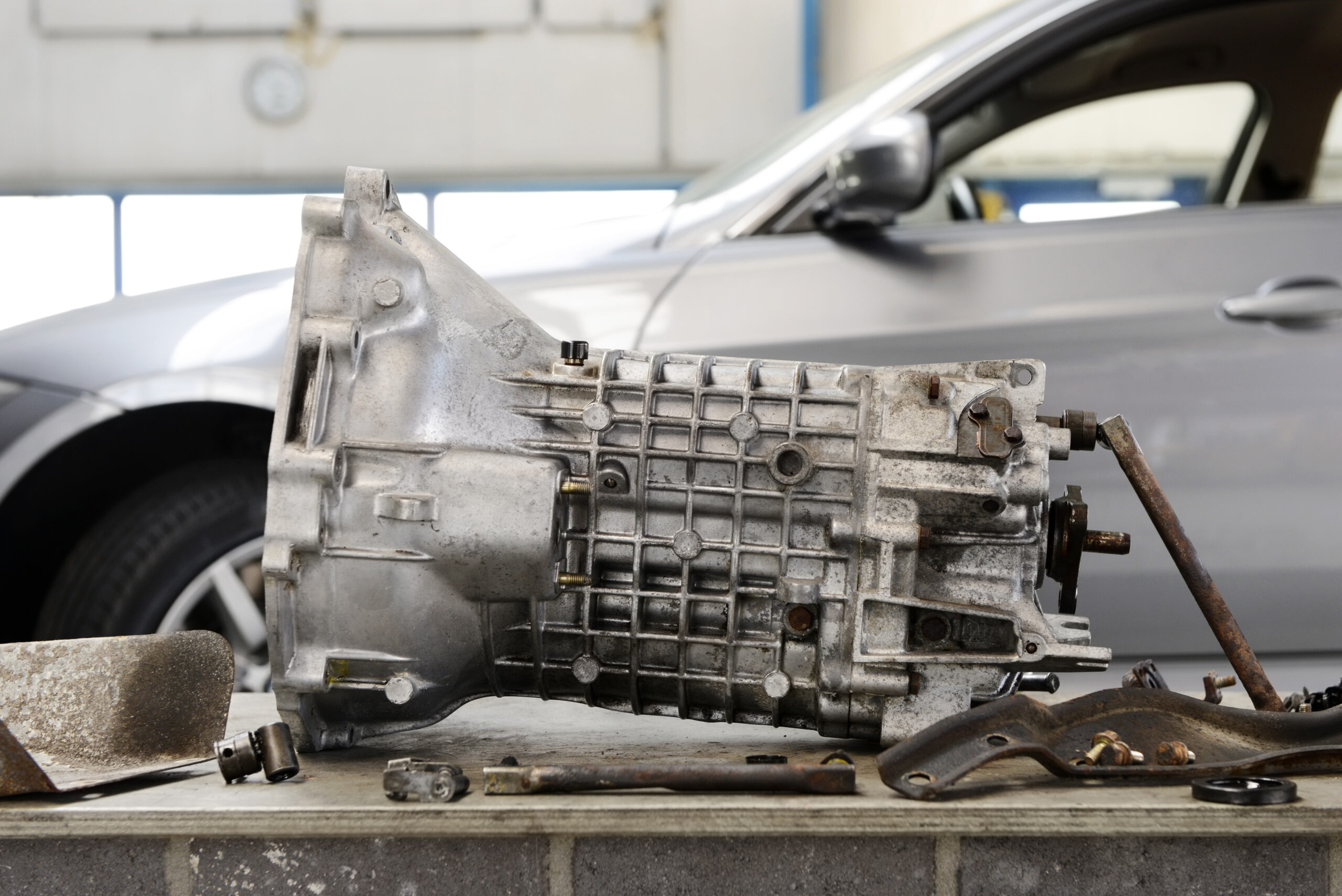
Ultimate Guide: Transmission Fluid Change vs Flush – What You Need to Know
Transmission maintenance is one of the most critical yet overlooked parts of vehicle ownership. Whether you drive a daily commuter, a heavy-duty truck, or a hybrid, understanding the difference between a transmission fluid change and a transmission flush can save you from unexpected breakdowns and expensive repairs.
In this guide, we’ll break down everything you need to know about the transmission fluid change vs flush debate, including when to do it, why it matters, how each service works, and what’s best for your vehicle.

Why Transmission Fluid Matters
Before comparing a transmission fluid change vs flush, it’s essential to understand the role transmission fluid plays in your car’s health. Transmission fluid:
-
Lubricates moving parts
-
Keeps the transmission cool
-
Ensures smooth shifting
-
Prevents excessive wear
-
Flushes out debris and metal shavings
Over time, this fluid breaks down, loses effectiveness, and accumulates contaminants. If ignored, old transmission fluid can lead to rough shifting, overheating, and eventually transmission failure.
What Is a Transmission Fluid Change?
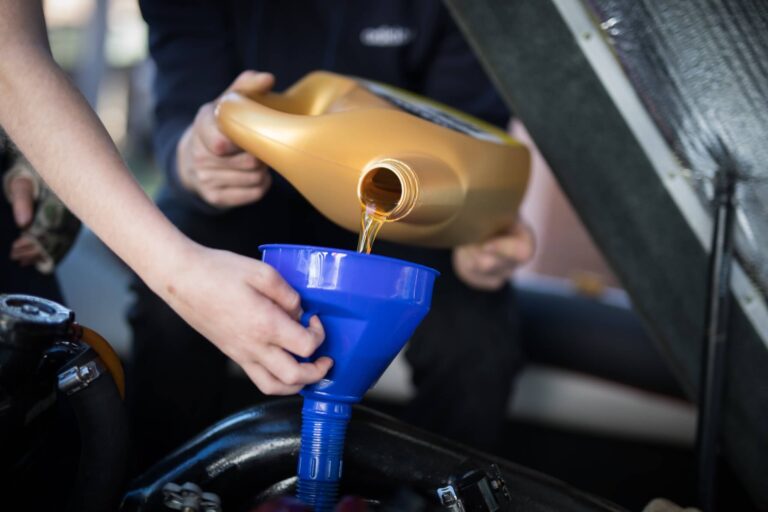
A transmission fluid change involves draining the old fluid from the transmission pan and replacing it with fresh fluid. This process typically removes about 30 to 50 percent of the old fluid, depending on the vehicle.
Key Features:
-
Partial fluid replacement
-
Quick and cost-effective
-
Minimal risk to older transmissions
-
Often includes filter replacement
Ideal For:
-
Routine maintenance
-
Older or high-mileage vehicles
-
Budget-conscious drivers
This is similar to an oil change — it refreshes your system without disturbing any settled debris that may have built up over time.
What Is a Transmission Flush?
A transmission flush uses a machine to force out nearly all old fluid and replace it with new fluid. This method cleans the transmission cooler lines, torque converter, and other components that hold fluid.
Key Features:
-
Complete fluid replacement
-
More thorough system cleaning
-
Potentially riskier for neglected transmissions
-
Usually more expensive than a fluid change
Ideal For:
-
Newer vehicles with regular maintenance history
-
Drivers seeking maximum system performance
-
Vehicles with signs of burnt or dirty fluid
When performed properly, a transmission flush restores shifting performance and helps extend the life of your transmission.
Transmission Fluid Change vs Flush: Key Differences
| Feature | Fluid Change | Fluid Flush |
|---|---|---|
| Amount of fluid replaced | 30–50% | 90–100% |
| Cost | Lower | Higher |
| Time Required | 30–60 minutes | 60–90 minutes |
| Filter Replacement | Often included | Sometimes included |
| Risk to older vehicles | Very low | Moderate to high |
| Cleaning effectiveness | Moderate | High |
When Should You Change or Flush Transmission Fluid?
Service intervals vary based on your vehicle make and model. However, here are general guidelines:
Automatic transmissions: every 30,000 to 60,000 miles
CVTs (continuously variable transmissions): every 30,000 to 50,000 miles
Manual transmissions: every 30,000 to 60,000 miles
Always refer to your owner’s manual for manufacturer-recommended service schedules. Some newer vehicles use “lifetime” fluid, but many experts recommend changing the fluid well before the life of the car ends.
Signs You Need Transmission Service
If you’re wondering whether it’s time for a transmission fluid change or flush, pay attention to these common warning signs:
-
Delayed or jerky shifting
-
Burning smell
-
Grinding or whining noises
-
Slipping gears
-
Dark, dirty, or burnt-smelling fluid
These symptoms suggest your transmission fluid has degraded and is no longer providing proper protection.
Is a Transmission Flush Safe?
One of the most common concerns about transmission flushes is whether they can harm your vehicle. The answer depends on the condition of your transmission.
If your transmission has been regularly serviced, a flush is safe and beneficial. However, in vehicles with high mileage and no prior maintenance, flushing can dislodge sludge and debris, potentially clogging internal components.
In such cases, a transmission fluid change is the safer, more conservative option.
Cost Comparison
| Service Type | Average Cost |
|---|---|
| Transmission Fluid Change | $100–$200 |
| Transmission Flush | $150–$350 |
Prices can vary based on vehicle type, fluid quality, and labor. At Parkway Auto Care in St. Paul, we offer both services with transparent pricing and expert advice.
Which Option Is Right for You?
Choose a Transmission Fluid Change if:
-
Your car has over 100,000 miles with minimal transmission maintenance
-
You’re trying to extend vehicle life without pushing the system
-
The fluid is only slightly dirty

Choose a Transmission Flush if:
-
Your car has been regularly maintained
-
You want maximum fluid replacement and system cleaning
-
You’re experiencing performance issues tied to fluid degradation
Still not sure? Our certified technicians at Parkway Auto Care will inspect your transmission and help you make the right decision for your vehicle.
Why Trust Parkway Auto Care for Transmission Service?
As one of the most trusted auto shops in St. Paul, Parkway Auto Care offers:
-
Certified, experienced technicians
-
High-quality transmission fluids and filters
-
Honest recommendations with no upselling
-
Fast, affordable service options
Whether you’re getting a routine transmission fluid change or considering a full flush, our team will ensure your vehicle gets the attention it needs.
Final Thoughts: Maintenance Now, Savings Later
Understanding the difference between a transmission fluid change and a flush can help you make an informed decision that protects your transmission for the long haul. Don’t wait until your car shows signs of trouble — preventive care is always cheaper than a full rebuild.
If you’re in the St. Paul area and wondering which transmission service your vehicle needs, schedule an appointment with Parkway Auto Care today. We’ll give you an honest assessment and expert service to keep your vehicle shifting smoothly.
Sources
-
Car and Driver. “Transmission Fluid Change vs Flush.” Available at: https://www.caranddriver.com/research/a31884992/what-is-transmission-fluid-flush/
-
AAA. “Transmission Flush: What You Need to Know.” Available at: https://www.aaa.com/autorepair/articles/transmission-flush
-
Edmunds. “Transmission Fluid Change or Flush: What You Should Know.” Available at: https://www.edmunds.com/car-maintenance/transmission-fluid-change-or-flush.html
-
NAPA Know How Blog. “Transmission Fluid Flush vs Change.” Available at: https://www.napaonline.com/en/blog/maintenance-transmission-fluid-flush-vs-change
-
YourMechanic. “Transmission Fluid Flush vs Change.” Available at: https://www.yourmechanic.com/article/what-is-the-difference-between-a-transmission-fluid-change-and-a-transmission-fluid-flush