Fluid Maintenance Essentials to Keep your Vehicle in Peak Condition
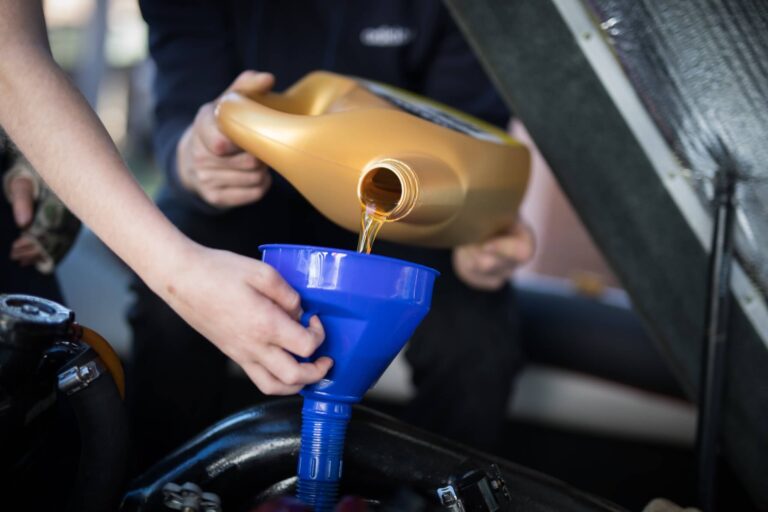
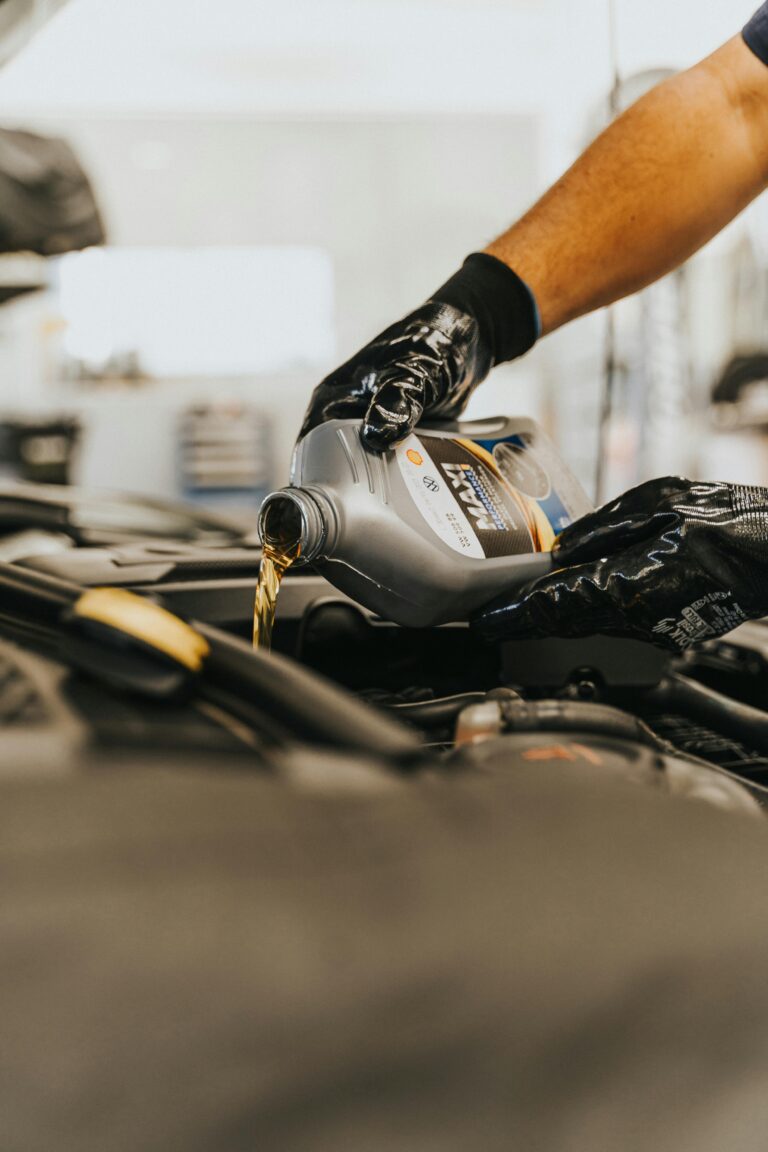
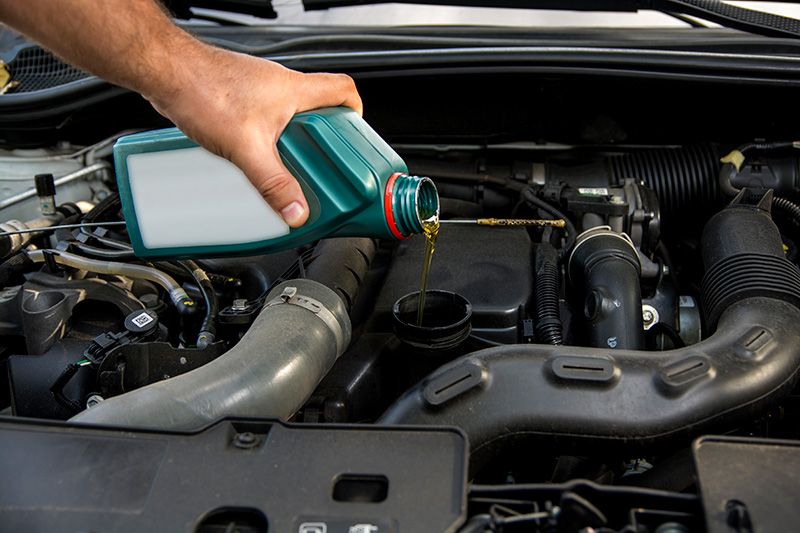
Regularly checking the fluids in your vehicle is crucial for maintaining its overall health and ensuring safe and reliable operation on the road. There are several critical fluids that every car owner should be mindful of and routinely inspect to prevent potential issues. First and foremost, engine oil is paramount for the smooth functioning of the engine. Engine oil lubricates the engine’s moving parts, reducing friction and heat buildup. It’s crucial to check the oil level regularly using the dipstick and ensure it falls within the recommended range. Additionally, monitoring the oil’s color and consistency can provide valuable insights into its condition; if it appears dark or gritty, it may be time for an oil change. Neglecting to maintain proper oil levels and quality can lead to increased engine wear and potential engine damage.
Checking the Coolant
Another vital fluid to monitor is coolant, also known as antifreeze. Coolant plays a crucial role in regulating the engine’s temperature and preventing it from overheating or freezing. It circulates through the engine and radiator, absorbing heat and transferring it to the air. Checking the coolant level regularly and ensuring it’s at the appropriate level is crucial. Additionally, inspecting the coolant for any signs of contamination or degradation, such as rust or discoloration, is important. These could indicate a coolant leak or the need for a coolant flush and replacement. Proper coolant maintenance is essential for preventing engine overheating and costly repairs.
Remember to have the Transmission Fluid Checked
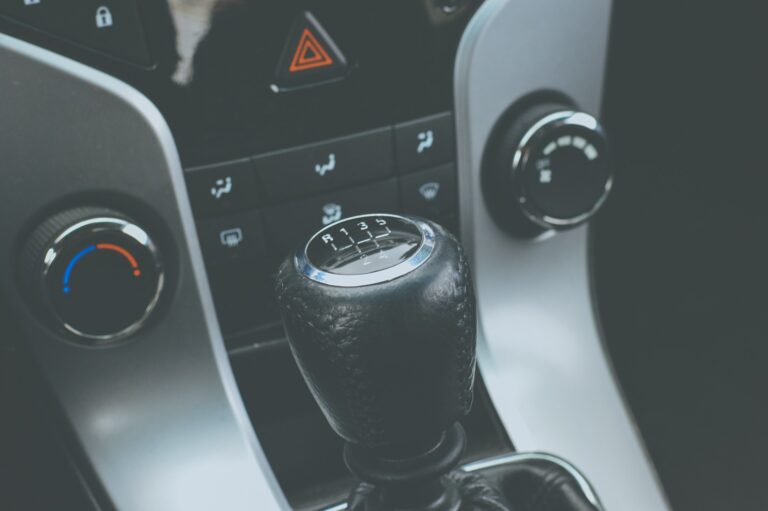
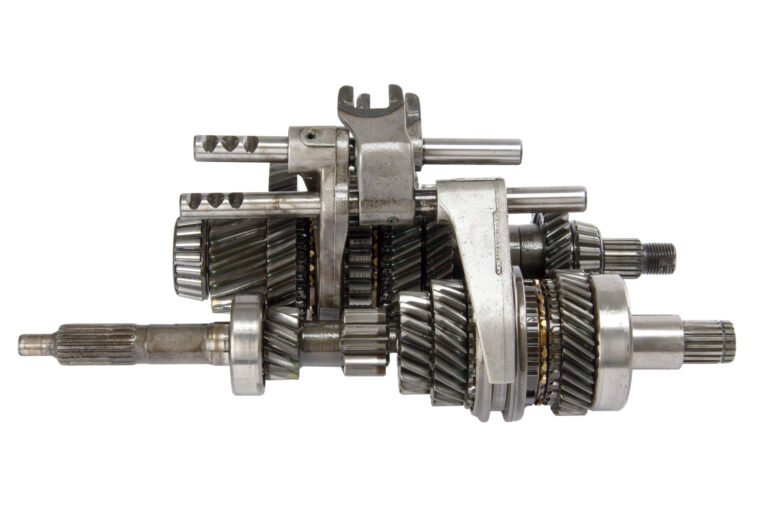
Transmission fluid is paramount for the smooth operation of the transmission system. Transmission fluid lubricates the transmission’s moving parts, facilitates smooth gear shifts, and helps cool the transmission. It’s vital to check the transmission fluid level regularly using the dipstick and ensure it’s within the recommended range. Similarly, monitoring the fluid’s color and odor can provide valuable insights into its condition. Burnt or dark-colored fluid may indicate the need for a transmission fluid change to prevent transmission problems. Neglecting transmission fluid maintenance can lead to transmission issues, such as slipping gears or transmission failure, which can be costly and disruptive. By staying proactive and routinely checking and maintaining these vital fluids, car owners can help ensure their vehicle’s optimal performance and longevity on the road. Remember to consult your vehicle’s owner’s manual for specific maintenance schedules and recommendations tailored to your make and model.