
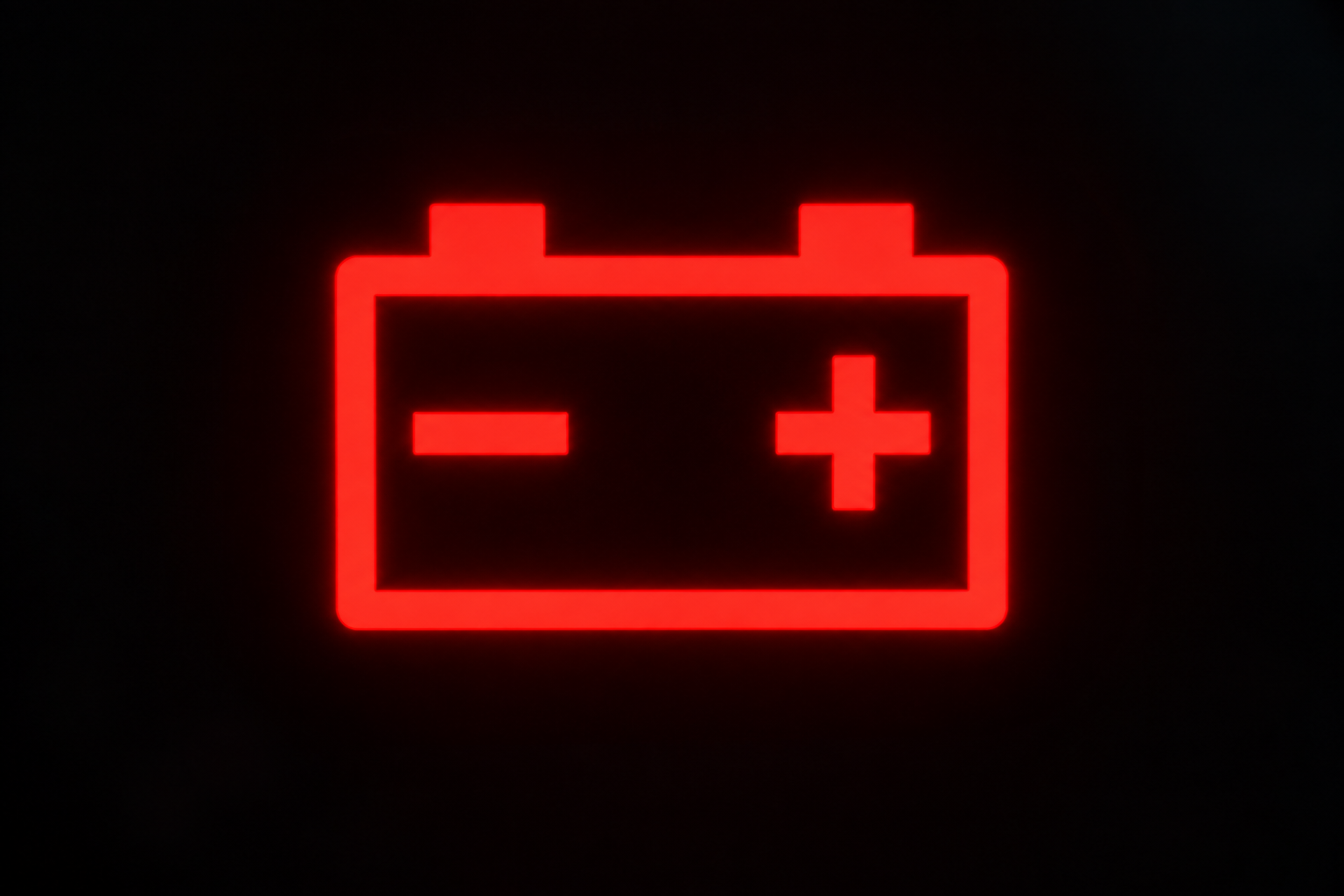
Critical Warning: Why Is My Battery Light On?
When a red battery symbol suddenly appears on your dashboard, it is easy to assume your battery is dying. However, that warning light does not necessarily mean you need a new battery. In many cases, it is warning you that something is wrong with your vehicle’s charging system.
If you are asking, why is my battery light on, the problem could involve the battery, alternator, voltage regulator, wiring, battery connections, or the belt that drives the alternator. The important thing is not to ignore it. If the charging system stops supplying enough electricity, your vehicle may eventually run out of stored battery power and shut down.
Understanding what the battery warning light means and recognizing other symptoms can help you respond before you find yourself stranded.
What Does the Battery Light Actually Mean?
Your vehicle’s battery and charging system work together, but they perform different jobs.
The battery provides the electrical energy needed to start the engine. Once the engine is running, the alternator generates electricity for the vehicle’s electrical systems while also replenishing the battery. A voltage regulator helps control charging system output.
The battery shaped warning light is therefore better thought of as a charging system warning light.
It normally illuminates briefly when you start the vehicle as part of the system’s self check. It should then turn off. If the light remains illuminated after the engine starts or appears while you are driving, the charging system may not be operating correctly.
So, if you are wondering why is my battery light on even though the vehicle still starts normally, do not assume everything is fine. The battery may simply have enough stored power to keep the vehicle operating temporarily.
1. The Alternator May Be Failing
A failing alternator is one of the most important possibilities when the battery warning light appears.
Your alternator generates the electricity needed to operate the vehicle after the engine starts. It also restores the energy the battery used during startup.
When alternator output drops, the vehicle begins relying increasingly on energy stored in the battery. Eventually, that stored energy can run out.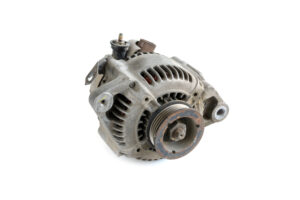
Signs of alternator trouble may include:
- Battery warning light
- Dim or flickering headlights
- Slow power windows
- Electrical accessories behaving strangely
- Difficulty starting
- Repeated dead batteries
- Unusual whining or grinding noises
- Burning odors
- Vehicle stalling
These symptoms can overlap with battery problems, which is why testing the entire starting and charging system is important before replacing parts.
2. Your Battery Could Be Weak
Sometimes the answer to why is my battery light on really is the battery itself.
Automotive batteries gradually lose their ability to hold a charge. Heat, age, driving habits, electrical demands, and charging system problems can all affect battery life.
A weak battery may cause symptoms such as:
- Slow engine cranking
- Clicking when attempting to start
- Dim lights
- Frequent jump starts
- Electrical problems
- Difficulty starting after the vehicle sits
A weak battery can also put additional demands on the charging system.
Rather than replacing the battery based solely on the dashboard light, it is better to test both the battery and charging system. That helps determine whether the battery is actually failing or whether another component is preventing it from staying charged.
3. Battery Connections Could Be Loose or Corroded
Electricity needs a clean and secure path through the charging system.
Battery terminals can develop corrosion over time, which may appear as white, blue, or greenish buildup around the connections. Battery cables can also loosen or become damaged.
Poor connections can interfere with the flow of electricity between the battery, alternator, starter, and the rest of the electrical system. AAA identifies loose or corroded battery connections as one potential cause of battery warning light problems.
Depending on the severity of the connection problem, you might also notice intermittent electrical issues or difficulty starting.
4. The Alternator Belt Could Be Damaged
The alternator does not generate electricity on its own. It must be mechanically driven by the engine.
On many vehicles, the alternator is driven by the serpentine belt. If that belt becomes loose, damaged, worn, or breaks completely, the alternator may not spin properly.
Possible warning signs include:
- Battery light
- Squealing from under the hood
- Charging problems
- Visible belt damage
- Other accessory related problems
A broken serpentine belt can create additional concerns because the same belt may drive other accessories, depending on the vehicle.
If your battery light appears along with unusual belt noise or other sudden symptoms, have the vehicle inspected promptly.
5. The Voltage Regulator Could Be Failing
The charging system needs to do more than simply produce electricity. Its output must also be controlled.
The voltage regulator helps maintain appropriate charging system voltage. If it fails, the system may provide too little or too much voltage.
Undercharging can leave the battery depleted. Overcharging can damage the battery and potentially affect electrical components.
AAA lists a faulty voltage regulator among the possible reasons a battery or charging system warning light may illuminate.
Because voltage regulation is closely connected with alternator operation, professional testing can help identify where the actual fault is located.
6. Wiring or Electrical Connections May Be Damaged
Modern vehicles depend on extensive electrical systems.
A damaged wire, poor ground, loose connection, blown fuse, or another electrical fault can interfere with the charging system.
Electrical problems can sometimes be intermittent, making them particularly frustrating. Your battery light might appear occasionally and then disappear.
You may also notice:
- Flickering dashboard lights
- Electrical accessories working intermittently
- Unusual warning lights
- Starting problems
- Battery draining unexpectedly
If the battery and alternator test normally but the warning continues appearing, the electrical system may need further diagnosis.
Why Is My Battery Light On but My Car Runs Fine?
This is where the battery warning light can be misleading.
Your vehicle may continue operating normally for a period of time even when the charging system has stopped working correctly.
Why?
Because the battery contains stored electrical energy.
If the alternator stops providing sufficient power, the vehicle can temporarily draw electricity from the battery. Everything may seem normal initially. As the battery loses its remaining charge, electrical systems may begin malfunctioning.
Headlights could dim. Dashboard displays may behave strangely. Accessories may stop working. Eventually, the engine itself may stall.
AAA warns that when the charging system is no longer properly supplying the vehicle, it may be operating on limited stored battery power.
That is why the answer to why is my battery light on should not be, “I’ll wait until the car stops running.”
Why Does My Battery Light Come On and Then Go Off?
An intermittent battery light can be just as important as one that remains illuminated.
Possible causes include: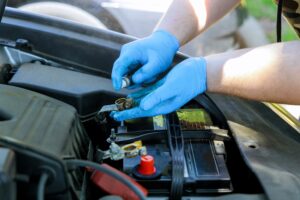
- Alternator output that fluctuates
- Loose electrical connections
- Belt slippage
- Wiring problems
- Voltage regulator problems
- Battery connection issues
Electrical demand can also reveal a marginal charging system. For example, you may notice the light when headlights, the blower motor, heated seats, rear defroster, or other electrical accessories are operating.
A warning light that disappears does not necessarily mean the underlying problem corrected itself.
Why Is My Battery Light On After Replacing the Battery?
Installing a new battery will not correct a charging system problem.
If the alternator is failing, the new battery may eventually discharge just like the old one did.
This is one reason diagnosing the system before replacing parts is so important.
If your battery light remains on after battery replacement, possible causes include:
- Alternator problems
- Loose battery connections
- Charging system wiring faults
- Belt problems
- Voltage regulator problems
The battery is only one part of the system.
Can Cold Weather Cause the Battery Light to Come On?
Cold weather can expose weaknesses in a battery or charging system.
Starting an engine requires substantial battery power, and cold temperatures can make starting more demanding. At the same time, fall and winter driving often places additional electrical loads on the vehicle through headlights, heaters, defrosters, heated seats, and other accessories.
For Minnesota drivers, this makes fall a particularly good time to make sure the battery and charging system are functioning properly before colder weather arrives.
Cold weather may reveal an existing weakness rather than being the actual cause of the problem.
Can I Drive With the Battery Light On?
Driving with the battery light illuminated can be risky because you do not know how long the vehicle will continue operating.
If the alternator is no longer charging the battery, the vehicle can eventually lose enough electrical power to stall. AAA advises drivers to take a battery or charging system warning seriously because an alternator failure can eventually cause the vehicle to shut down.
If the battery light comes on while driving, pay attention to additional symptoms.
If you notice dimming lights, multiple warning lights, electrical failures, overheating, unusual noises, a burning smell, or changes in steering effort, move to a safe location and arrange assistance rather than trying to continue driving.
Your owner’s manual should also be consulted because warning indicators and recommended responses can vary by vehicle.
What Should I Do If My Battery Light Comes On?
If you notice the warning while driving, avoid unnecessary electrical loads when it is safe to do so.
You may want to turn off accessories such as:
- Radio
- Heated seats
- Phone chargers
- Rear defroster
- Climate control when conditions allow
The goal is to reduce unnecessary electrical demand while getting the vehicle somewhere safe.
Do not assume that turning accessories off fixes the problem. It may only conserve some remaining battery power.
The charging system should still be inspected as soon as possible.
How Is a Battery Light Problem Diagnosed?
Because several components can trigger the same warning, proper diagnosis is important.
A technician may check:
- Battery condition
- Battery state of charge
- Alternator output
- Charging voltage
- Battery terminals
- Battery cables
- Electrical connections
- Ground connections
- Serpentine belt condition
- Wiring
- Voltage regulation
Testing the complete system helps prevent replacing a perfectly good battery when the real problem is the alternator, or replacing an alternator when the issue is simply a poor electrical connection.
Battery Problems vs. Alternator Problems
Battery and alternator failures can look remarkably similar.
Both can cause difficulty starting. Both can leave you with a dead battery. Both can create unusual electrical behavior.
One useful distinction is the role each component plays.
The battery supplies the initial energy needed to start the engine. The alternator supplies electrical power while the engine is running and replenishes the battery.
If you install a new battery but it repeatedly becomes discharged, the charging system deserves attention. Likewise, a battery that can no longer hold a proper charge can create its own problems.
Instead of guessing based on symptoms alone, testing both components provides a much clearer answer.
Don’t Ignore a Battery Warning Light
The battery symbol on your dashboard may look simple, but the system behind it is not.
If you are asking why is my battery light on, remember that the warning can involve much more than the battery. Alternator problems, damaged belts, poor electrical connections, wiring faults, voltage regulator problems, and battery issues can all affect charging system performance.
The sooner the cause is identified, the better your chances of correcting the problem before the vehicle loses electrical power and leaves you stranded.
Conclusion
So, why is my battery light on? In many cases, that small battery symbol is actually telling you there is a problem somewhere within the vehicle’s charging system.
The battery itself could be weak, but the alternator, voltage regulator, serpentine belt, wiring, cables, or electrical connections could also be responsible. Because many of these problems produce similar symptoms, testing the entire charging system is the best way to determine what needs attention.
This becomes especially important as colder weather approaches in Minnesota. A marginal battery or charging system that seemed fine throughout the warmer months may become much more noticeable when temperatures fall and electrical demands increase.
If your battery light is staying on, appearing intermittently, or showing up along with starting or electrical problems, contact us here to schedule an inspection with Parkway Auto Care. Finding the cause now can help you avoid walking out to a vehicle that will not start or having your car lose electrical power while you are on the road.
Further Reading
AAA: What’s Wrong if My Battery or Charging System Light Comes On?
AAA: Signs Your Alternator May Need to Be Replaced