Critical Warning: Why Is My Car Idling Rough? 8 Causes You Should Know
Your car should run smoothly when you’re stopped at a traffic light, sitting in a parking lot, or waiting in the driveway with the engine running. While a slight vibration is normal, excessive shaking, inconsistent engine speed, or unusual noises can indicate that something isn’t working correctly.
If you’ve been asking yourself, why is my car idling rough, you’re not alone. Rough idling is a common symptom that can develop for several reasons, ranging from worn spark plugs to problems with the fuel delivery system.
Some causes are relatively simple to correct, while others can lead to more serious engine problems if ignored. Understanding what causes rough idling, recognizing the warning signs, and knowing when to seek professional assistance can help prevent unnecessary repairs and keep your vehicle running properly.
What Does It Mean When Your Car Is Idling Rough?
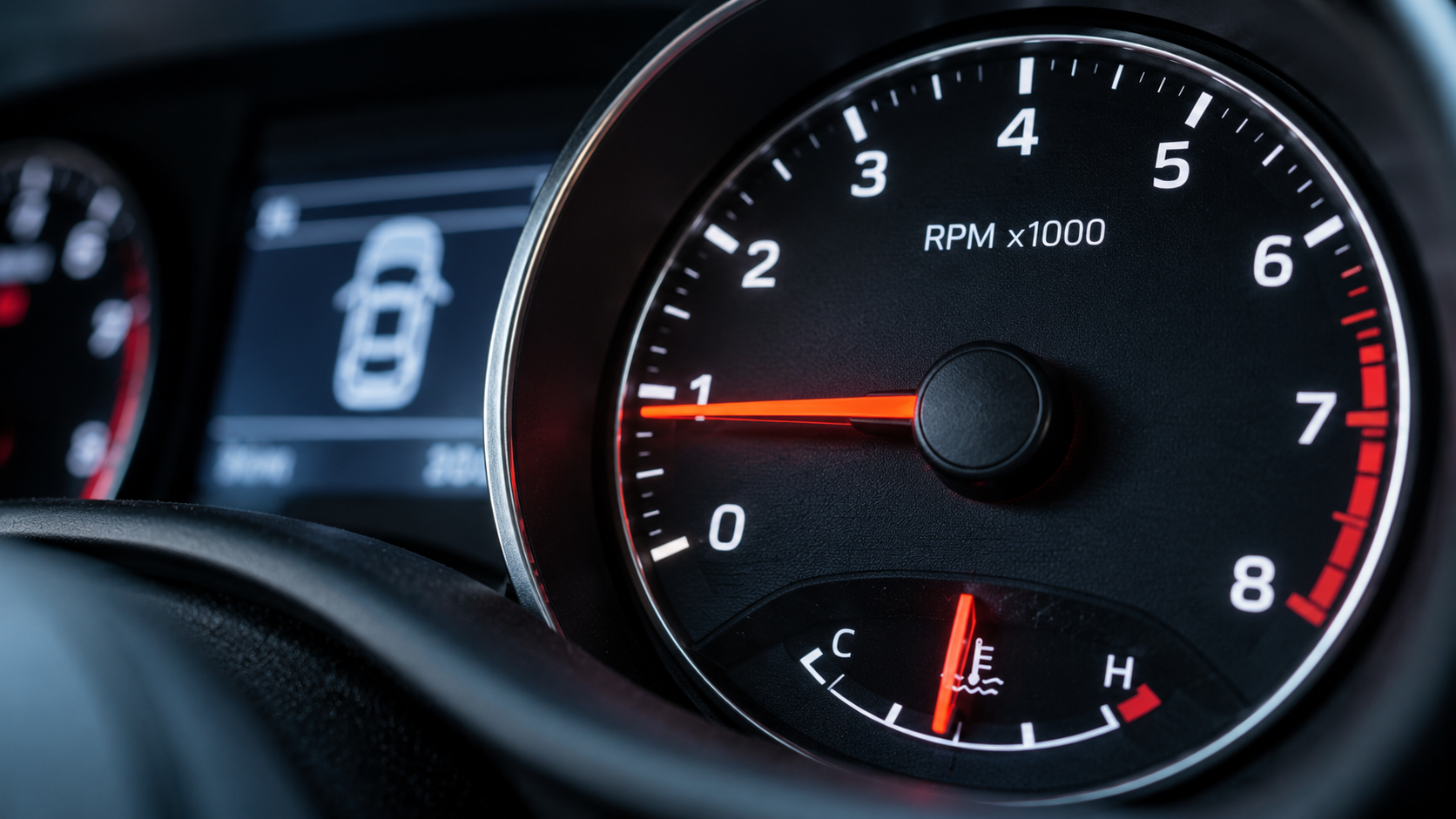
Idling occurs when your engine is running but your foot is not pressing the accelerator. During this time, the engine operates at a relatively low speed while maintaining enough power to keep running and support essential vehicle systems.
Most passenger vehicles idle somewhere around 600 to 1,000 RPM, although the exact range depends on the engine and operating conditions.
A properly functioning engine should maintain a relatively consistent idle speed without excessive shaking or hesitation.
Signs of rough idling include:
- Shaking or vibration while stopped
- Engine speed fluctuating unexpectedly
- Unusual sounds coming from the engine
- Engine struggling to stay running
- Vehicle shaking more in Drive than Park
- Check engine light illuminating
- Engine occasionally stalling
If these symptoms sound familiar, identifying why is my car idling rough should become a priority.
1. Worn or Faulty Spark Plugs
Spark plugs play an essential role in your engine’s combustion process. They create the spark needed to ignite the mixture of air and fuel inside the cylinders.
Over time, spark plugs can become worn, contaminated, or damaged. When they no longer produce a consistent spark, combustion may become uneven.
This can result in engine misfires, which often become particularly noticeable when the vehicle is idling.
Signs of worn spark plugs include:
- Rough or uneven idling
- Difficulty starting
- Poor acceleration
- Reduced fuel efficiency
- Engine hesitation
- Check engine light
Spark plug replacement intervals vary depending on the vehicle and the type of plugs installed. Following the manufacturer’s maintenance recommendations can help prevent ignition related problems.
2. Vacuum Leaks
Your engine relies on a carefully controlled mixture of air and fuel to operate efficiently.
A vacuum leak occurs when air enters the engine through an unintended opening, such as a cracked hose, damaged gasket, or loose connection.
This additional air can disrupt the air and fuel mixture, making it difficult for the engine to maintain a steady idle.
Vacuum leaks may cause:
- Rough idling
- High or fluctuating RPM
- Hissing noises
- Poor acceleration
- Check engine light
- Engine stalling
Vacuum leaks can become more noticeable as rubber hoses and seals age.
A professional inspection can help locate leaks that may not be visible during a basic examination.
3. Dirty or Clogged Fuel Injectors
Fuel injectors deliver carefully measured amounts of fuel into the engine.
For combustion to occur efficiently, the correct amount of fuel must be delivered at the proper time.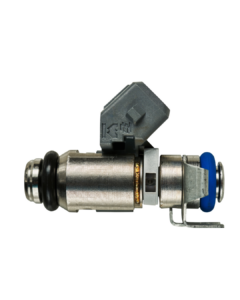
When injectors become clogged or malfunction, fuel delivery may become inconsistent. This can cause one or more cylinders to operate differently from the others.
The result may be a rough idle, hesitation, or reduced engine performance.
Common symptoms include:
- Engine shaking while stopped
- Poor fuel economy
- Hesitation during acceleration
- Difficulty starting
- Engine misfires
- Reduced power
Fuel injector problems do not always require replacement. Depending on the condition and cause, professional cleaning or another targeted repair may restore proper operation.
However, diagnosing the problem first is important because similar symptoms can come from several other engine components.
4. A Dirty Throttle Body
The throttle body controls the amount of air entering your engine.
As your vehicle accumulates mileage, carbon deposits and other contaminants can build up around the throttle plate.
These deposits may interfere with the precise airflow needed to maintain a smooth idle.
When the engine receives inconsistent airflow, you may notice shaking, hesitation, or fluctuating RPM.
Signs of a dirty throttle body can include:
- Rough idle
- Engine speed fluctuating
- Stalling when coming to a stop
- Delayed throttle response
- Difficulty maintaining a consistent idle
Modern vehicles use electronic throttle control systems that require precise operation.
If the throttle body is causing problems, professional cleaning or repair may be necessary. Some vehicles also require an idle relearn procedure after certain throttle body services.
5. A Faulty Mass Airflow Sensor
The mass airflow sensor, commonly called the MAF sensor, measures the amount of air entering the engine.
Your vehicle’s computer uses this information to determine how much fuel should be delivered.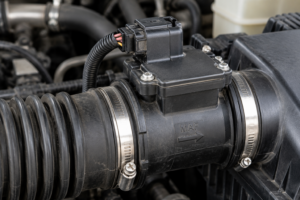
If the sensor becomes contaminated or begins malfunctioning, it may provide inaccurate readings.
Incorrect airflow information can cause the engine to receive too much or too little fuel, resulting in poor performance.
Symptoms may include:
- Rough idling
- Hesitation during acceleration
- Reduced fuel economy
- Engine stalling
- Check engine light
- Inconsistent engine performance
Because the MAF sensor affects fuel delivery calculations, a problem can sometimes resemble a fuel injector or vacuum leak issue.
Diagnostic testing helps determine whether the sensor itself is faulty or whether another problem is affecting its readings.
6. Ignition Coil Problems
While spark plugs create the spark needed for combustion, ignition coils supply the high voltage necessary for those plugs to operate.
When an ignition coil begins failing, it may produce an inconsistent spark or stop working entirely.
This can lead to engine misfires, which frequently cause noticeable shaking while the vehicle is idling.
You may also experience:
- Rough engine operation
- Hesitation under acceleration
- Loss of power
- Reduced fuel efficiency
- Check engine light
- Difficulty starting
Ignition coil problems may initially appear intermittently before becoming more consistent.
If you’re wondering why is my car idling rough and the vehicle also hesitates when accelerating, the ignition system is one area that deserves inspection.
7. Worn Engine Mounts
Not every vehicle that shakes at idle has an engine combustion problem.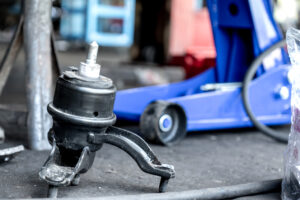
Engine mounts secure the engine to the vehicle while helping absorb vibration.
Over time, the rubber or hydraulic components inside these mounts can deteriorate.
When mounts become worn, normal engine vibration may transfer more noticeably into the passenger compartment.
Signs of worn engine mounts include:
- Excessive vibration while stopped
- Shaking felt through the steering wheel
- Vibration through the seats or floor
- Clunking noises when shifting gears
- Increased movement during acceleration
One important distinction is that worn engine mounts may make the vehicle feel as though the engine is idling poorly even when the engine itself is operating normally.
This is why diagnosing the source of the vibration matters.
Replacing ignition or fuel system components will not correct vibration caused by a damaged engine mount.
8. Problems With the PCV or EGR System
Your vehicle contains several systems designed to manage engine emissions and maintain proper operation.
Two components that can contribute to rough idling are the positive crankcase ventilation system and the exhaust gas recirculation system.
The PCV system helps manage gases that accumulate inside the engine’s crankcase.
If a PCV valve sticks or a related hose develops a leak, it can disrupt airflow and contribute to an unstable idle.
The EGR system, found on many vehicles, redirects a controlled amount of exhaust gas back into the engine under certain operating conditions.
If an EGR valve becomes stuck open when it should be closed, the engine may struggle to maintain a smooth idle.
Possible symptoms include:
- Rough idling
- Engine hesitation
- Stalling
- Poor performance
- Check engine light
Because these systems vary by vehicle, professional diagnostics can help identify whether they are contributing to the problem.
Why Is My Car Idling Rough Only When Stopped?
One of the most common complaints drivers have is that their vehicle runs normally while moving but begins shaking when they stop.
This can happen because certain engine problems become more noticeable at lower RPM.
When the engine is idling, even a relatively small combustion or airflow problem may create noticeable vibration.
Once engine speed increases, the vibration may become less obvious.
Potential causes include vacuum leaks, dirty throttle bodies, ignition problems, and fuel delivery issues.
Worn engine mounts can also become more noticeable while the vehicle is stopped in gear.
The fact that the shaking disappears when you accelerate does not necessarily mean the problem has gone away.
Why Is My Car Idling Rough When the Engine Is Cold?
Cold engine operation presents different conditions than driving after the engine reaches normal operating temperature.
Your vehicle’s computer adjusts fuel delivery and idle speed to help the engine start and warm up.
If a component is beginning to fail, those changing conditions may make the problem more noticeable.
Possible causes include:
- Worn spark plugs
- Ignition coil problems
- Vacuum leaks
- Fuel injector problems
- Faulty temperature sensors
- Carbon buildup
Cold weather in Minnesota can make these symptoms particularly noticeable during the fall and winter months.
If your vehicle shakes excessively during startup but smooths out after several minutes, having the issue diagnosed can help determine whether the behavior is normal for your vehicle or a developing mechanical problem.
Why Is My Car Idling Rough With the AC On?
Your vehicle’s air conditioning system places an additional load on the engine when the compressor operates.
The engine management system normally compensates for this increased demand to maintain a steady idle.
If the engine is already struggling because of an ignition, airflow, or fuel delivery issue, switching on the air conditioning may make the vibration more noticeable.
Worn engine mounts can also make normal changes in engine load feel more severe.
A slight change in idle speed may be normal, but excessive shaking, repeated stalling, or significant RPM fluctuations should be investigated.
Can Rough Idling Damage Your Engine?
Whether rough idling causes additional damage depends on the underlying problem.
A worn engine mount may primarily create vibration and discomfort, while an engine misfire can have more serious consequences.
When fuel does not burn properly inside a cylinder, unburned fuel may enter the exhaust system.
Under certain conditions, this can damage the catalytic converter, resulting in a significantly more expensive repair.
Other problems, such as improper fuel delivery or persistent vacuum leaks, may also affect engine performance and efficiency.
Addressing rough idling early can help prevent a relatively manageable issue from becoming a larger repair.
Is It Safe to Drive With a Rough Idle?
A minor vibration does not always mean your vehicle is unsafe to operate, but persistent rough idling should not be ignored.
If the engine is shaking severely, repeatedly stalling, losing power, or displaying a flashing check engine light, avoid continuing to drive and arrange for professional assistance.
A flashing check engine light can indicate an active misfire that may damage the catalytic converter.
You should also stop driving if the rough idle is accompanied by overheating, a low oil pressure warning, or other serious symptoms.
Even when the vehicle seems to drive normally, scheduling an inspection can help identify the cause before the problem becomes worse.
How Is Rough Idling Diagnosed?
Because so many components can cause similar symptoms, diagnosing rough idling involves examining how the engine operates under different conditions.
A technician may begin by reviewing any stored diagnostic trouble codes and examining live engine data.
Depending on the symptoms, additional testing may include:
- Inspecting spark plugs and ignition coils
- Checking for vacuum leaks
- Evaluating fuel injector operation
- Testing fuel pressure
- Inspecting the throttle body
- Reviewing airflow sensor readings
- Checking engine mounts
- Inspecting PCV and EGR components
- Performing compression testing when necessary
The goal is to identify the actual source of the problem rather than replacing parts based on assumptions.
Providing details about when the rough idle occurs can also help narrow down the possibilities.
For example, let the technician know whether the shaking happens during cold starts, after the engine warms up, while stopped in Drive, or when the air conditioning is operating.
How Can You Help Prevent Rough Idling?
Although not every engine problem can be prevented, regular maintenance can reduce the likelihood of certain issues developing.
Following manufacturer recommended spark plug replacement intervals helps maintain consistent ignition performance.
Replacing air filters when needed helps maintain proper airflow, while addressing check engine lights promptly can prevent smaller problems from progressing.
It is also important to pay attention to changes in engine performance.
If your vehicle begins hesitating, shaking, or consuming more fuel than usual, those symptoms may indicate a problem developing before the rough idle becomes severe.
Keeping up with routine inspections and maintenance can help your engine operate more efficiently and reliably.
Conclusion
If you’ve been wondering why is my car idling rough, there are several possible explanations. Worn spark plugs, vacuum leaks, clogged fuel injectors, dirty throttle bodies, faulty sensors, ignition coil problems, worn engine mounts, and emissions system issues can all contribute to excessive vibration or uneven engine operation.
The important thing to remember is that rough idling is a symptom, not a diagnosis. Different problems can create nearly identical warning signs, making proper testing essential.
Whether your vehicle shakes at stoplights, idles unevenly during cold starts, or feels rough whenever the air conditioning is running, identifying the cause early can help prevent unnecessary wear and more expensive repairs.
If your vehicle isn’t running as smoothly as it should, contact us here to schedule an inspection with Parkway Auto Care in St. Paul. Our team can help identify what’s causing the rough idle and recommend the appropriate repairs to restore smooth, dependable engine performance.