
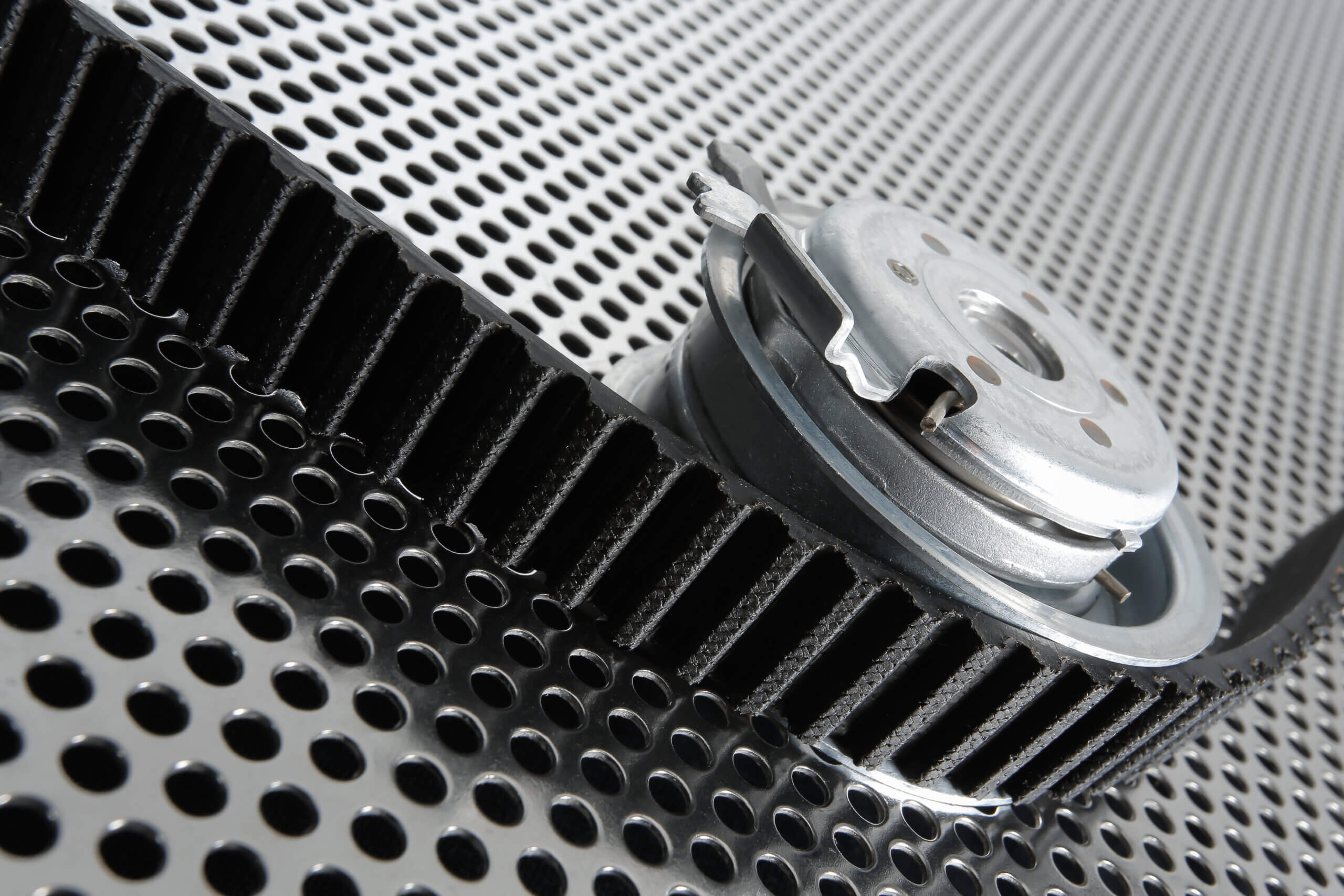
Timing Belt Replacement: Why It’s Crucial for Your Vehicle’s Health
In the intricate ecosystem of your vehicle’s engine, the timing belt plays a pivotal role, albeit one that’s often overlooked until it’s too late. Understanding the function of the timing belt, recognizing the signs of wear, and knowing when to replace it are essential for maintaining your car’s performance and longevity. For those in St. Paul, MN, Parkway Autocare stands as your trusted partner in ensuring your timing belt is in optimal condition.
What Does the Timing Belt Do?
The timing belt is a critical component of your vehicle’s engine. It synchronizes the rotation of the crankshaft and camshaft to ensure that the engine’s valves open and close at the correct times during each cylinder’s intake and exhaust strokes. This precise timing is crucial for the engine to function efficiently and safely. Without a properly working timing belt, your vehicle could suffer from decreased performance, or worse, the engine could fail entirely, leading to costly repairs.
How Timing Belts Wear Out
Timing belts are made from rubber and, over time, can wear out due to the constant tension and heat they endure within the engine. Factors contributing to wear include age, mileage, and in some cases, water or oil leaks that can deteriorate the belt’s material faster. Unlike some car parts that show clear signs of wear through noise or performance changes, timing belts may not show obvious signs of aging until they fail.
Knowing When to Replace Your Timing Belt
Most vehicle manufacturers recommend replacing the timing belt at specific intervals, typically between 60,000 and 100,000 miles, but this can vary by make and model. It’s crucial to consult your vehicle’s owner’s manual for the recommended replacement schedule. However, there are a few signs that could indicate your timing belt needs attention sooner:
- Visual Signs of Wear: Cracks, fraying, or excessive slack on the belt.
- Ticking Noise from the Engine: A ticking noise coming from the engine area could indicate a worn timing belt.
- Engine Misfires: A worn timing belt can affect the engine’s timing, leading to misfires.
- Difficulty Starting the Car: If the timing belt is severely worn, the engine may not start at all.
Ignoring these signs can lead to a timing belt failure, which in an interference engine, can cause significant damage to the engine’s internal components, resulting in expensive repairs.
Why Choose Parkway Autocare for Your Timing Belt Replacement
At Parkway Autocare in St. Paul, MN, we understand the importance of maintaining your vehicle’s timing belt. Our team of experienced technicians is equipped with the knowledge and tools to assess the condition of your timing belt, perform replacements, and handle any other engine repairs your vehicle may need. We pride ourselves on providing reliable, high-quality service that keeps your vehicle running smoothly and safely.
Replacing your timing belt is not just a maintenance task; it’s an investment in your vehicle’s longevity and safety. Don’t wait for a failure to occur. If you’re approaching the recommended mileage for a timing belt replacement, or if you’ve noticed any of the warning signs mentioned above, contact Parkway Autocare today. Let us help you ensure that your vehicle continues to perform at its best, keeping you and your loved ones safe on the road.